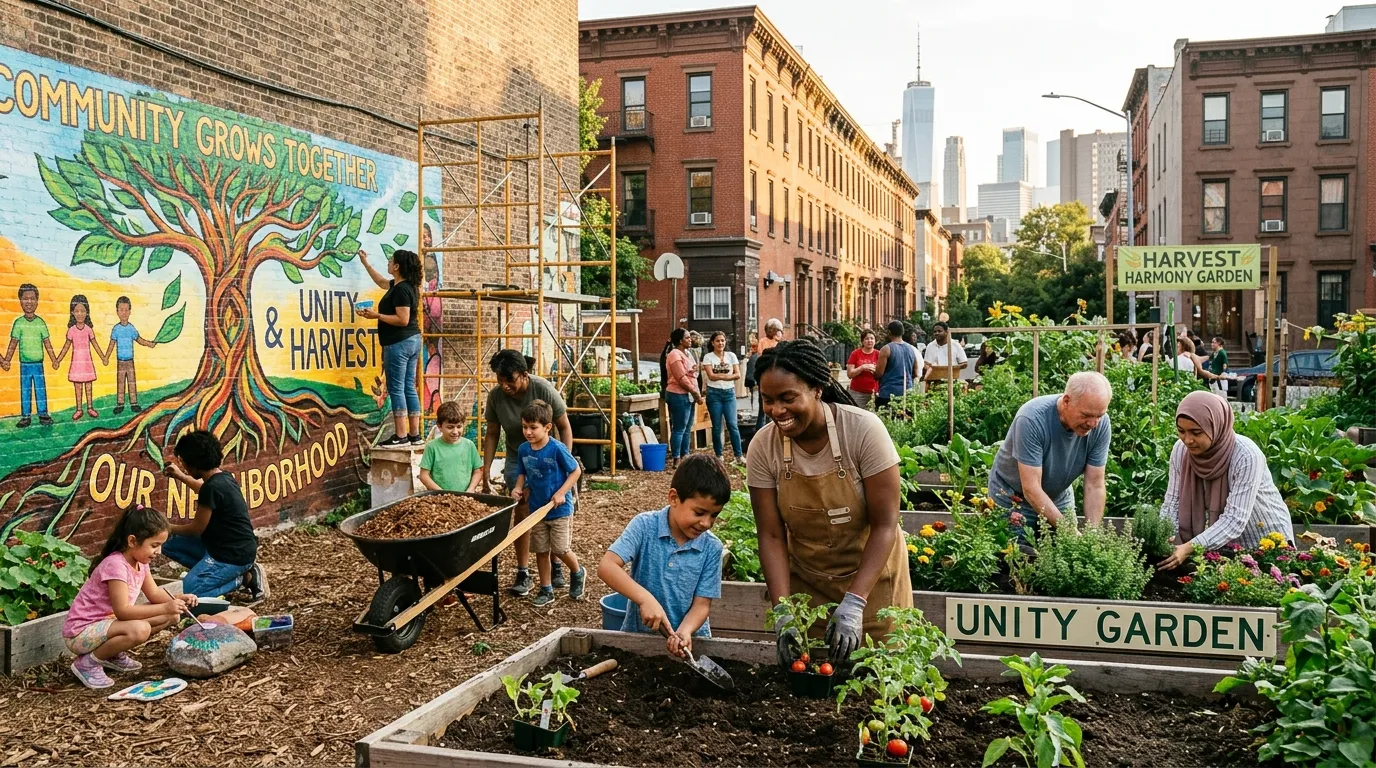
Transform your modern classroom into a genuine learning sanctuary. Effective community building fosters profound calm, enhances student focus, and creates an environment where everyone thrives together.
This comprehensive guide explores how intentional community building fundamentally shapes educational environments. You will discover actionable strategies, essential frameworks, and practical technological tools designed to boost engagement, support holistic development, and create deeply focused, tranquil spaces where every single student can succeed.
The Foundational Importance of Educational Integration
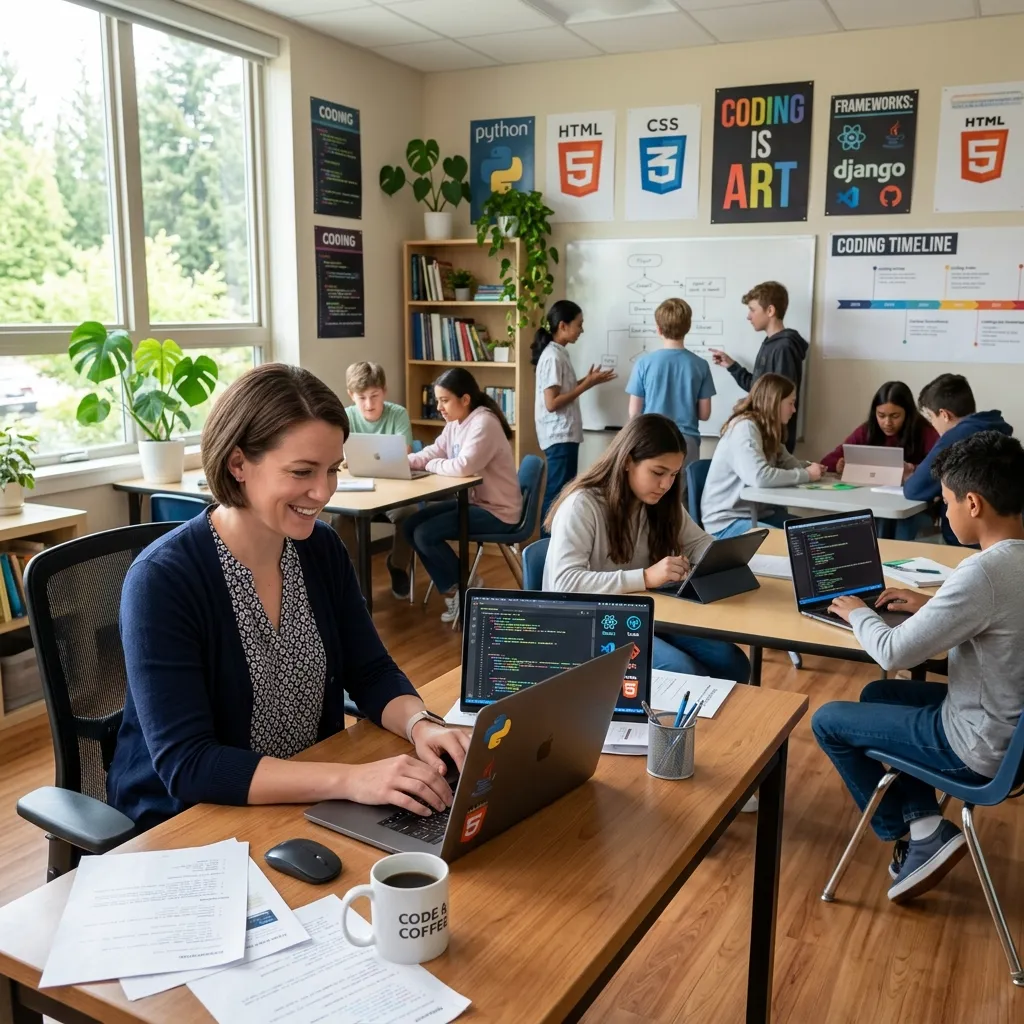
Modern schools face an unprecedented crisis of attention and focus. Students navigate endless digital distractions, immense academic pressures, and complex social anxieties on a daily basis. In this challenging landscape, community building emerges not merely as a nice-to-have supplementary element, but as a critical, non-negotiable pedagogical necessity. When dedicated educators actively prioritize community building, they systematically construct a psychological safety net that allows deep, meaningful cognitive work to happen. This robust safety net significantly reduces behavioral disruptions and creates the essential baseline calm necessary for intense, sustained academic focus.
The nuanced process of community building shifts the entire classroom dynamic away from isolated individuals fiercely competing for grades toward a cohesive, supportive group working collaboratively toward mutual growth. When students genuinely feel they belong to a peer group, their physiological stress responses decrease, and their cortisol levels drop. This documented physiological shift is exactly why community building directly correlates with improved academic retention and higher test scores. It is virtually impossible to separate cognitive success from emotional security in the developing brain. Therefore, rigorous community building acts as the foundational infrastructure of any highly effective, modern educational institution.
Shifting from Rigid Compliance to Authentic Connection
Historically, traditional classroom management relied heavily on strict compliance, punitive measures, and authoritarian control. Today, forward-thinking educators realize that community building offers a far more sustainable, human-centric approach to education. Instead of forcing absolute quiet through sheer authority, community building cultivates a natural, respectful, and self-sustaining calm. Students who feel deeply connected to their peers and their teachers naturally regulate their own behavior. They actively and enthusiastically participate in community building exercises because they intrinsically value the resulting harmony and mutual respect.
This transformative shift requires a departure from outdated models. Teachers must view every interaction as an opportunity for community building. Whether it is greeting students at the door, facilitating a complex group project, or mediating a playground dispute, the principles of community building must guide the educator’s response. This constant, unwavering commitment to community building demonstrates to students that their well-being is the school’s top priority, which in turn fosters a deep sense of loyalty and engagement with the academic curriculum. Incorporating resources from established educational researchers, such as Edutopia, can provide teachers with endless community building activities that reinforce this connection-first philosophy.
The Core Pillars of Effective Implementation
To implement highly effective community building, educators must deeply understand its central, foundational pillars. These essential pillars ensure that the effort yields tangible, measurable improvements in both academic focus and emotional wellbeing across the entire student body.
Psychological Safety and Unshakeable Trust
The absolute bedrock of all successful community building is trust. Students must know unequivocally that their ideas, questions, and unique perspectives will be respected by both their peers and their instructors. When community building activities focus intentionally on vulnerability and active listening, students learn to support one another authentically. This practice directly impacts student mental health, providing a vital psychological buffer against the immense anxieties of modern adolescence. As interpersonal trust grows through consistent community building, so does the students’ willingness to take intellectual risks, ask difficult questions, and push the boundaries of their own understanding.
Building this trust requires extreme patience. Community building is not a highly expedited process; it is a slow, deliberate cultivation of mutual respect. Educators must model the vulnerability they wish to see, sharing their own academic struggles and celebrating collective failures as essential stepping stones to success. When a classroom culture normalizes making mistakes, the anxiety surrounding performance drops dramatically. This is the profound magic of community building: it transforms the fear of failure into a collaborative journey of discovery.
Establishing Shared Purpose and Collective Values
Highly effective community building requires a clearly articulated, shared vision. When a class collaboratively defines its overarching goals and core behavioral values, every single student takes profound ownership of the learning environment. Community building thrives exponentially when students deeply understand exactly why they are learning specific materials and how their individual academic success contributes directly to the overall success of the group. This deeply ingrained shared purpose cuts swiftly through daily distractions and fosters laser-like focus on overarching educational objectives.
Teachers can facilitate this by co-creating classroom charters during initial community building sessions at the start of the academic year. Instead of handing down a list of rigid rules, the educator guides the students in establishing their own norms. This democratic approach to community building ensures that the rules are respected not because the teacher enforces them, but because the community agreed upon them. This shared responsibility is a hallmark of advanced community building, shifting the burden of discipline from the teacher to the collective student body.
Fostering Inclusive and Equitable Communication
Every single voice inherently matters in the complex ecosystem of community building. Educators must intentionally design classroom structures that allow introverted, shy, or historically marginalized students to participate just as deeply and frequently as their more extroverted peers. Through daily, structured community building circles and carefully moderated peer feedback sessions, students develop highly essential interpersonal communication skills. This daily practice naturally forms the robust basis of digital citizenship as well, actively teaching students how to interact respectfully, ethically, and productively both in offline physical spaces and online digital environments.
Inclusive communication also means recognizing and honoring diverse cultural backgrounds within the community building framework. True community building does not seek to homogenize the student body, but rather to celebrate the unique tapestry of experiences each student brings to the collective table. By integrating culturally responsive pedagogy into community building initiatives, educators ensure that no student feels alienated or misunderstood, further cementing the bonds of trust and mutual respect.
Leveraging Technology for Stronger Educational Connections
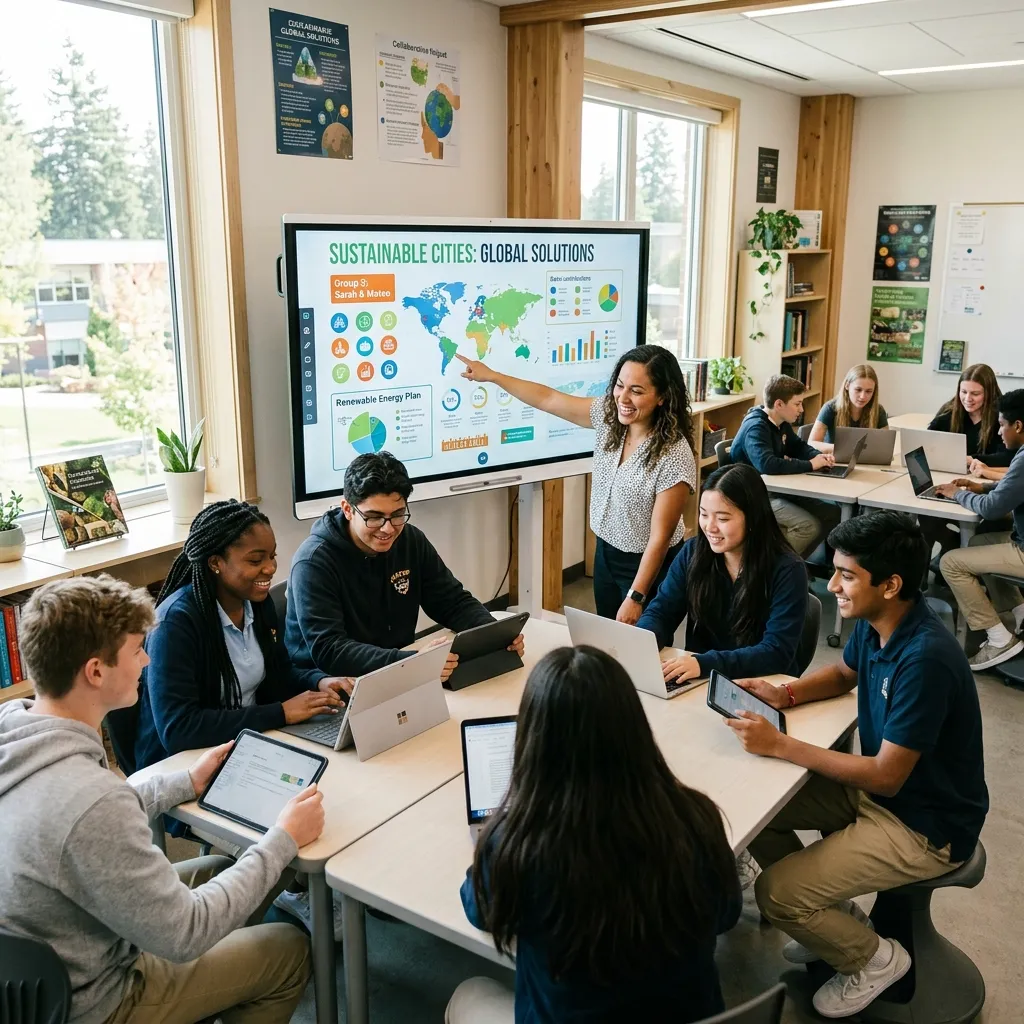
While community building often evokes nostalgic images of physical circle time and face-to-face team exercises, modern classrooms absolutely require a sophisticated, blended approach. Thoughtful, deliberate EdTech integration can dramatically enhance and scale community-building efforts across entire school districts. Digital platforms offer exciting new avenues for collaboration, especially for students who typically struggle with high-pressure, face-to-face social dynamics.
When educators strategically use collaborative software, they actively facilitate continuous, asynchronous community building. Students can co-create massive multimedia projects, easily share academic resources, and offer vital peer support entirely outside of traditional, physical school hours. This continuous, technology-assisted community building extends the profound feeling of belonging far beyond the four physical walls of the classroom, actively reinforcing emotional calm and academic focus at home.
Digital Platforms as Community Infrastructure
Choosing the absolute right digital tools is essential for modern, scalable community building. Software platforms that heavily prioritize shared digital workspaces, closely monitored peer-to-peer messaging, and collective academic goal tracking serve as excellent, robust community building infrastructure. They allow the teacher to constantly monitor student engagement levels and ensure that absolutely no student falls through the hidden cracks of the digital divide.
Furthermore, leveraging technology for community building allows for highly personalized learning experiences within a group setting. Students can form niche digital study groups based on shared interests, fostering micro-communities within the larger classroom framework. This layered approach to community building ensures that every student finds a place where they feel completely valued and understood, maximizing the psychological benefits of the community building process. For guidance on selecting the right tools, educators often consult authoritative bodies like the International Society for Technology in Education (ISTE) for best practices in digital community building.
Comparison Table: Traditional Management vs. Modern Methodologies
To fully grasp the massive pedagogical paradigm shift, we must deeply compare legacy disciplinary systems with modern community building frameworks.
|
Feature |
Traditional Classroom Management |
Modern Community Building |
|---|---|---|
|
Primary Goal |
Absolute obedience and silence |
True belonging, deep focus, and collaboration |
|
Motivation Source |
Extrinsic (Punishments and arbitrary rewards) |
Intrinsic (Mutual peer respect and shared goals) |
|
Conflict Resolution |
Teacher-dictated, punitive consequences |
Restorative justice practices and peer mediation |
|
Student Role |
Passive, silent recipient of rules |
Active, vocal co-creator of classroom culture |
|
Impact on Focus |
Short-term compliance, high physiological stress |
Long-term engagement, deep cognitive calm |
This detailed table clearly illustrates exactly why community building represents a massive, necessary leap forward in educational theory. By moving entirely away from harsh, punitive measures, community building actively and scientifically nurtures the precise psychological conditions required for high-level, sustained academic focus.
The Direct Link Between Emotional Security and Cognitive Focus

Academic focus is not simply a matter of sheer willpower or strict discipline; it is heavily a biological byproduct of the surrounding environment. When a developing student feels highly anxious, isolated, or disconnected, their brain remains locked in a state of high alert, constantly scanning the room for potential social threats. Rigorous community building systematically removes these perceived threats.
By engaging in consistent, daily community building, teachers subconsciously signal to the student’s brain that the immediate environment is completely safe. Once the brain registers this profound safety, it can rapidly reallocate its massive cognitive resources toward complex academic problem-solving and critical thinking. Therefore, investing significant class time in community building is actually investing time directly in high-level academic instruction. The brief minutes spent on a thoughtful community building activity are consistently paid back tenfold in highly uninterrupted, deeply focused learning time later in the school day.
Actively Fostering a Sustained Culture of Calm
Emotional calm is highly contagious within a group setting. When a dedicated teacher actively models emotional regulation and masterfully facilitates community building, that deep sense of calm rapidly spreads to the entire student body. Community building exercises, such as shared deep breathing, collaborative art projects, or highly structured group problem-solving tasks, actively synchronize the class’s collective energy. This beautiful, collective calm is the ultimate, overarching goal of all community building, transforming historically chaotic, loud rooms into deeply focused, tranquil educational sanctuaries.
This culture of calm must be aggressively protected. Teachers must utilize community building strategies to quickly de-escalate conflicts before they shatter the classroom’s tranquility. By relying on the strong relationships forged through continuous community building, educators can address behavioral issues quietly and respectfully, maintaining the overall peace of the environment while still holding individual students highly accountable for their actions.
Common Mistakes to Avoid in Implementation
Implementing community building effectively requires deep pedagogical nuance. Many well-intentioned educators unfortunately struggle initially. Avoid these highly frequent missteps to ensure your community building efforts succeed brilliantly.
- Treating it as a One-Time Add-On: Community building is absolutely not something you do only on the very first day of the school year. It must be seamlessly woven into your daily academic instruction.
- Forcing Artificial Vulnerability: Highly effective community building requires immense patience. Never forcefully compel a student to share deeply personal information before they are genuinely ready to do so.
- Ignoring the Silent, Introverted Students: True, authentic community building engages absolutely everyone. If only the loud, highly extroverted students actively participate, your specific community building strategy needs immediate adjustment.
- Demonstrating Behavioral Inconsistency: Successful community building requires absolute, unwavering consistency from the educator. If you abruptly abandon your community building principles during highly stressful exam periods, you instantly break the fragile trust you worked so hard to build.
- Failing to Connect to Curriculum: Treating community building as entirely separate from academic learning is a massive error. The best community building happens when students are collaborating on actual, rigorous coursework.
Pro Tips for Expert Level Facilitation
Elevate your entire classroom culture by rapidly applying these advanced, highly tested community building strategies.
- Start Small and Scale Gradually: Begin your initial community building with very low-stakes, highly engaging, and fun activities. Gradually increase the emotional and intellectual depth of the community building exercises only as interpersonal trust solidifies.
- Empower True Student Leaders: The absolute best community building is entirely student-led. Give your students distinct, meaningful roles in facilitating and designing community building activities for their peers.
- Connect to Real-World Curriculum: Tie your daily community building directly to complex academic subjects. Have students passionately debate historical events or solve complex, multi-step math problems collaboratively as an embedded community building exercise.
- Celebrate Micro-Successes Publicly: Use dedicated community building time to verbally acknowledge small academic and social victories, fostering a continuous, highly positive loop of community reinforcement.
- Engage the Broader Parent Community: Extend your community building outside the school. Send weekly newsletters detailing the community building skills students are learning, so parents can actively reinforce these vital concepts at home.
Overcoming Deep Systemic Barriers
Educators very often face massive systemic barriers when attempting to implement robust, meaningful community building. Extremely large class sizes, intense standardized testing pressures, and highly rigid bell schedules can make authentic community building feel virtually impossible. However, community building is actually the very tool that makes these massive educational challenges manageable.
When you deeply prioritize community building, students rapidly become much more resilient to intense testing pressures. When community building succeeds in incredibly large classes, the resulting peer-to-peer instruction dramatically lightens the overwhelmed teacher’s daily load. Therefore, community building is absolutely not a competing priority that detracts from learning; it is the ultimate, most powerful educational efficiency tool available to modern educators.
Administrators must also fully support community building at the structural level. This means providing teachers with dedicated professional development time focused solely on community building methodologies. When entire school districts universally adopt community building as a core strategic initiative, the massive cultural shift inevitably leads to higher teacher retention rates, vastly lower student absentee rates, and a universally more positive, focused academic environment.
The Brilliant Future of Educational Frameworks
As we look rapidly ahead toward the future of global education, community building will undoubtedly become the absolute primary metric of overall school success. The unique human ability to actively foster genuine connection in an increasingly isolated, hyper-digital world is absolutely paramount. Schools that master the complex art of community building will consistently produce remarkable students who are not only highly academically proficient but deeply emotionally intelligent, highly empathetic, and profoundly focused.
Community building is the master blueprint for the absolute future of holistic, human-centered education. It bridges the massive gap between academic rigor and emotional wellbeing, proving definitively that students learn best when they feel they truly belong. By fiercely championing community building, we prepare the next generation to build better, more compassionate communities in the real world.
Conclusion
Creating a profoundly calm, highly collaborative educational environment requires absolute, unwavering dedication to community building. By fiercely prioritizing deep human connections, educators massively enhance academic focus, drastically reduce student anxiety, and fundamentally transform the entire learning experience. Embrace powerful community building today to empower your students, deeply elevate your classroom culture, and foster an educational sanctuary where everyone succeeds. Start implementing community building now!
Frequently Asked Questions (FAQs)
1. What exactly does community building mean within a modern educational context?
Community building in education refers directly to the highly intentional daily practices, structured routines, and empathetic strategies educators use to actively foster a profound sense of true belonging, mutual peer respect, and unshakeable trust among all students, thereby fundamentally transforming the standard classroom into a highly supportive, deeply focused learning environment.
2. Exactly how does consistent community building actively improve a student’s academic focus?
When students feel genuinely safe and deeply connected through ongoing community building, their physiological anxiety and daily stress levels decrease dramatically. This vital psychological safety allows their developing brains to rapidly shift from a defensive, distracted state to a highly receptive, calm state, which dramatically improves their innate ability to focus deeply on complex academic tasks.
3. Is structured community building only appropriate for younger, elementary-aged students?
Absolutely not. While community building naturally looks very different in a high school setting than it does in a kindergarten classroom, older adolescent students desperately need sophisticated community building to successfully navigate highly complex social dynamics, intense academic stress, and modern mental health challenges.
4. How much precious instructional time does community building take away from core academics?
Highly effective community building actually creates significantly more instructional time in the long run. By proactively investing short, dedicated periods in community building, teachers drastically reduce the immense amount of time typically spent managing behavioral disruptions, resulting in much more focused, highly uninterrupted academic learning time.
5. How can I successfully integrate community building into a fully digital or remote classroom environment?
Digital community building involves actively using secure collaborative platforms, consistently hosting virtual morning meetings, strategically utilizing breakout rooms for intimate small-group discussions, and actively creating shared digital workspaces where students can safely interact, collaborate, and support each other online.
6. What is a highly effective, quick community building activity to start the school day?
A remarkably simple yet powerful community building activity is a structured “morning circle” or “daily check-in,” where students stand together in a circle and answer a brief, low-stakes question. This specific community building routine ensures that absolutely every single voice is heard and valued before rigorous academics begin.
7. How exactly does community building help teachers with difficult classroom management?
Community building fundamentally shifts classroom management entirely away from a punitive, authoritarian, teacher-centered model directly toward a restorative, highly student-centered model. When students genuinely value their community, they naturally and independently self-regulate their own behavior to carefully maintain classroom harmony and peer respect.
8. Can structured community building actually help highly introverted or socially anxious students?
Yes, highly structured community building is incredibly beneficial for introverts. Good community building provides safe, highly predictable, and clear frameworks for peer interaction, allowing highly introverted students to participate deeply and meaningfully without the immense pressure of navigating unstructured, loud social chaos.
9. Why do some well-intentioned community building efforts ultimately fail in certain schools?
Community building almost always fails when it is carelessly treated as a one-time, superficial event rather than a deep, continuous daily practice. It also fails completely if the teacher lacks genuine authenticity, forces artificial vulnerability before trust is built, or acts in a way that is highly inconsistent with the stated values of the community.
10. How exactly do parents and families fit into successful classroom community building?
Parents are an absolutely vital, non-negotiable extension of the classroom community. Highly effective community building naturally involves highly transparent, frequent communication with families, actively inviting them to participate in overarching classroom goals, and openly sharing the specific community building strategies so they can passionately reinforce them at home.