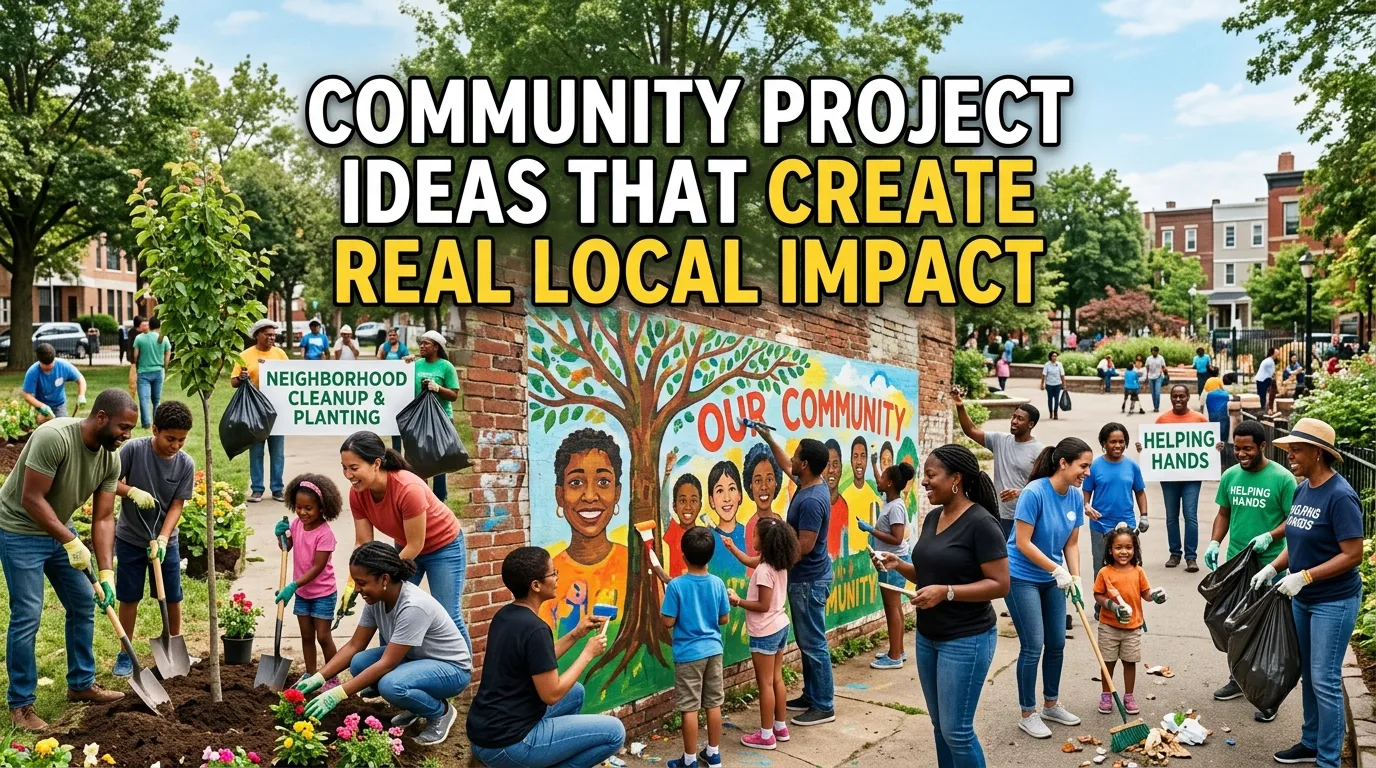
A community project brings people together to solve local issues like education, health, and the environment. It builds teamwork, improves living conditions, and creates lasting positive change through organized planning, participation, and sustainable action.
A community project is a collaborative effort where people work together to solve local problems and improve their surroundings. It focuses on areas like education, health, and environment. By encouraging teamwork and participation, a community project helps create positive social change, strengthen relationships, and build a better, more sustainable future for everyone involved in the community.
Understanding the Purpose of a Community Project
A community project begins with a clear and well-defined purpose that explains what the group aims to achieve together. This purpose may focus on solving local issues such as cleanliness, education support, health awareness, or social development. When the goal is clearly understood, participants can stay focused, motivated, and organized throughout the entire process. A strong purpose also helps everyone involved understand their roles and responsibilities more effectively. While planning a community project, it is important to clearly identify the problem, target audience, and expected outcomes. Without a proper direction, efforts may become scattered and less effective. A well-structured mission ensures that the community project delivers meaningful results, long-term improvement, and a positive impact on society as a whole.
Identifying Local Needs and Challenges
Every successful community project starts with a deep understanding of the local needs and challenges faced by people in the area. This process involves observing issues such as lack of clean drinking water, poor sanitation, unemployment, or limited access to education. To gather accurate information, community surveys, interviews, and group discussions can be very helpful. Once these challenges are clearly identified, the project team can prioritize the most urgent problems that require immediate attention. A community project becomes more effective when it directly addresses real-life issues rather than assumptions. This step ensures that resources and effort are used efficiently. By focusing on genuine community needs, the project can deliver practical solutions that improve living conditions and create long-lasting positive change.
Planning and Organizing the Project
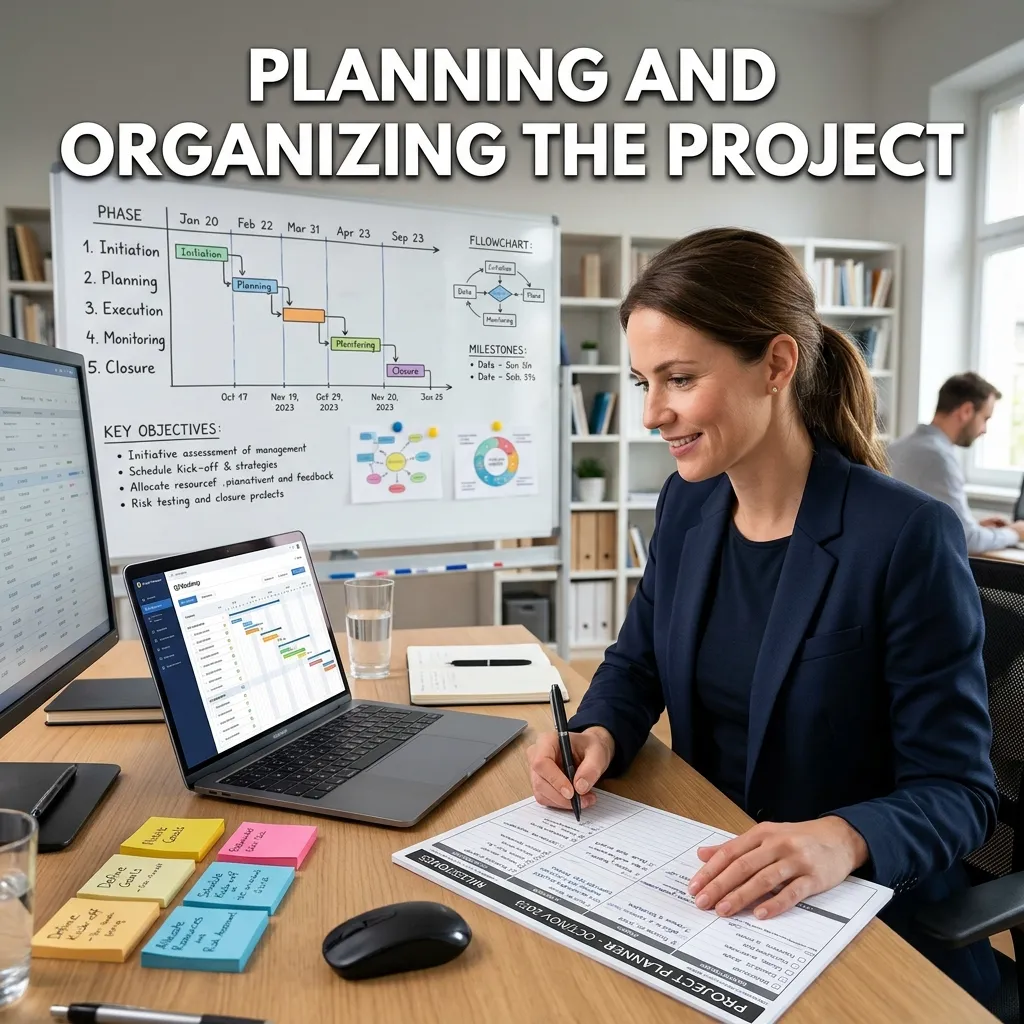 Proper planning is a crucial step in any community project, as it lays the foundation for successful execution. This includes setting clear objectives, developing a timeline, and assigning specific roles to each participant. A well-organized plan helps ensure that all tasks are completed efficiently and on time. It also reduces confusion and avoids overlapping responsibilities among team members. During this stage, the community project team should decide on required materials, budget allocation, and external support if needed. Regular meetings and updates help track progress and solve issues quickly. A good organization increases productivity and ensures smooth workflow from start to finish. Without proper planning, even strong ideas may fail to achieve their desired outcomes or create meaningful community impact.
Building Strong Community Participation
Active participation is the heart of any successful community project, as it ensures involvement from all members of the local area. When people feel included, they are more willing to share ideas, contribute time, and take responsibility for outcomes. Encouraging participation can be done through awareness programs, meetings, workshops, and social media engagement. Strong involvement creates a sense of ownership among community members, making the project more sustainable in the long run. A community project becomes more impactful when students, local leaders, workers, and volunteers collaborate. This teamwork strengthens social relationships and builds trust within the community. When everyone works toward a shared goal, the project becomes more effective, inclusive, and capable of creating lasting positive change.
Choosing the Right Type of Community Project
Selecting the right idea is essential for the success of any community project, as it determines the direction and impact of the entire effort. Common types of projects include environmental cleanups, health awareness campaigns, education support programs, and skill development workshops. The chosen project should align with the real needs of the community and the interests of participants. It must also be realistic, considering available time, resources, and skills. A community project becomes more successful when it focuses on simple, practical, and achievable goals rather than overly complex ideas. Small but consistent improvements often create stronger results than large, unmanageable plans. Choosing the right type ensures better engagement, smoother execution, and greater long-term benefits for the community.
Resource Management and Funding Strategies
 Efficient resource management plays a vital role in the success of a community project, as it ensures that materials, funds, and time are used wisely. This includes preparing a budget, collecting necessary supplies, and utilizing available tools effectively. Some projects may require financial support, which can be obtained through donations, sponsorships, or local government assistance. Transparency in financial handling builds trust among participants and supporters. A community project should always aim to reduce waste while maximizing impact. Proper planning helps prevent delays and unnecessary expenses. Even with limited resources, meaningful results can be achieved if everything is managed carefully. Smart resource utilization ensures smooth progress and increases the chances of completing the project successfully and efficiently.
Benefits of a Community Project
A community project provides many social, educational, and environmental benefits that improve the overall quality of life in a local area. It brings people together, encourages teamwork, and helps develop a sense of responsibility among participants. Through active involvement, individuals learn important life skills such as leadership, communication, and problem-solving. A community project also helps address real local issues like cleanliness, education gaps, and health awareness. Over time, it strengthens relationships among community members and builds trust. These projects not only solve problems but also create long-term positive change that benefits everyone involved in the community.
Key Benefits:
- Strengthens community relationships
- Improves local living conditions
- Encourages teamwork and leadership
- Develops social responsibility
- Creates long-term positive impact
| Area of Impact | Benefit Provided |
|---|---|
| Social | Stronger relationships and unity |
| Education | Awareness and skill development |
| Environment | Cleaner and greener surroundings |
| Health | Better awareness and hygiene |
| Economy | Local development opportunities |
Communication and Team Coordination
Clear communication is a key factor in the success of any community project, as it ensures that all members stay informed and aligned with the goals. Regular meetings, group discussions, and digital communication platforms help keep everyone connected. Good communication prevents misunderstandings and ensures that responsibilities are clearly assigned and understood. In a community project, effective coordination between team members improves productivity and reduces errors during execution. Leaders should encourage open communication where ideas, feedback, and concerns can be freely shared. This creates a positive and supportive environment that strengthens teamwork. Strong coordination ensures that all activities are well-synchronized, helping the project move smoothly toward its objectives while maintaining efficiency and unity among participants.
Implementing the Project Effectively
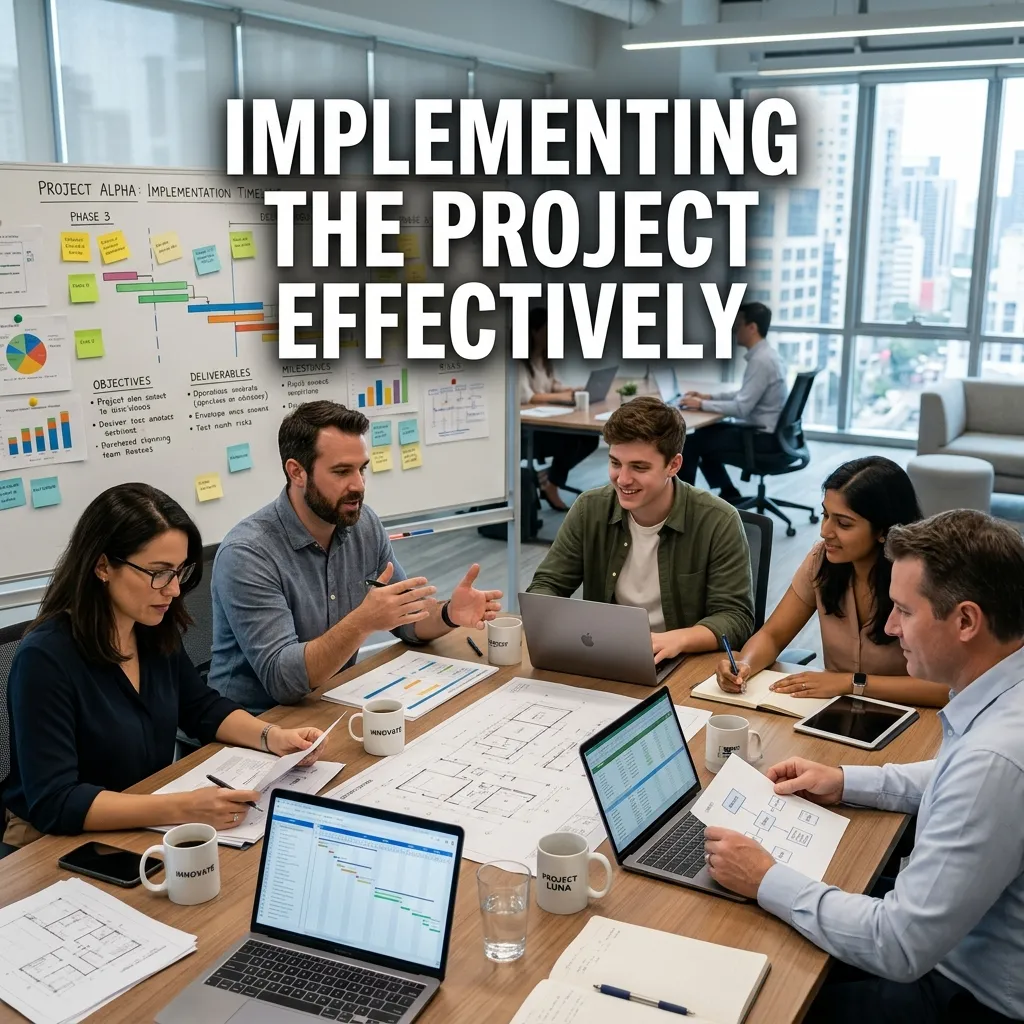 Implementation is the stage where the community project moves from planning to real action. This phase involves carrying out assigned tasks, following the timeline, and ensuring that all activities are executed properly. Teamwork, discipline, and responsibility are very important during this stage. Each member must focus on their duties while also supporting others when needed. A community project often faces unexpected challenges during execution, so flexibility and quick decision-making are essential. Regular monitoring helps track progress and identify issues early. If problems arise, timely solutions should be applied to keep the project on track. Successful implementation depends on commitment, cooperation, and continuous effort from all participants working together toward a common community goal.
Measuring Impact and Ensuring Sustainability
After completing a community project, it is important to measure its overall impact and effectiveness. This involves evaluating improvements in the community and collecting feedback from participants and beneficiaries. Surveys, interviews, and group discussions can help determine what worked well and what needs improvement. A strong project should also focus on sustainability to ensure that positive changes continue even after completion. This can be achieved by training local members, creating follow-up plans, or establishing community support systems. Measuring success not only highlights achievements but also provides valuable insights for future initiatives. It helps improve planning, execution, and outcomes, making future efforts more efficient, impactful, and beneficial for long-term social development.
Future Opportunities from Community Projects
A community project not only solves current problems but also creates future opportunities for individuals and the community. It helps participants gain practical experience, which can support personal growth and career development. Many people discover leadership skills and teamwork abilities through active involvement. These projects also inspire future initiatives that continue improving society. As communities grow more aware, they are more likely to start new projects and maintain existing ones. A well-executed community project can even attract support from organizations and local authorities, leading to bigger development opportunities and long-lasting social progress.
Key Opportunities:
- Skill development for participants
- Leadership and teamwork experience
- Career growth possibilities
- Community development initiatives
- Support from organizations and NGOs
| Opportunity Area | Description |
|---|---|
| Personal Growth | Builds confidence and skills |
| Education | Practical learning experience |
| Career | Improves job opportunities |
| Social Impact | Encourages new projects |
| Networking | Connects with organizations |
Conclusion
A well-planned community project can transform local areas and bring people together for a common cause. From identifying needs to implementing solutions, every step plays an important role in achieving success. These projects not only solve real problems but also build stronger relationships within the community. When people work together with clear goals and proper planning, even small efforts can create significant change. It is not just about completing tasks—it is about creating lasting impact, improving lives, and inspiring continuous community development for a better future.
Frequently Asked Questions
1: What is a community project?
A community project is a planned activity where people work together to solve local issues and improve their surroundings. It focuses on social, environmental, or educational needs and encourages teamwork, participation, and long-term positive impact within the community.
2: Why are community projects important?
Community projects are important because they help solve local problems, improve living conditions, and strengthen relationships among people. They encourage teamwork, responsibility, and awareness, creating positive social change that benefits everyone in the community over time.
3: Who can participate in a community project?
Anyone can participate in a community project, including students, teachers, local leaders, and volunteers. It does not require special skills, only interest and willingness to contribute time, ideas, and effort to improve the community’s overall well-being.
4: What are some examples of community projects?
Examples of community projects include cleanliness drives, tree plantation programs, health awareness campaigns, education support initiatives, and skill development workshops. These activities aim to solve real local issues and improve the quality of life for community members.
5: How do you start a community project?
To start a community project, identify a local problem, set clear goals, and gather a team of volunteers. Then create a plan, allocate resources, and begin small actions while ensuring regular communication and community involvement for better results.
6: What skills are needed for community projects?
Community projects require teamwork, communication, leadership, and problem-solving skills. Basic planning and organizational abilities are also helpful. Most importantly, participants need a positive attitude and willingness to collaborate for the benefit of the community.
7: How is funding managed in a community project?
Funding for a community project is managed through donations, sponsorships, or local support. A clear budget plan is created to track expenses. Transparency is important to ensure trust, proper usage of resources, and smooth project execution.
8: What challenges can occur in community projects?
Community projects may face challenges like limited resources, poor coordination, or a lack of participation. Sometimes, planning issues or communication gaps arise. However, these problems can be solved through teamwork, clear leadership, and consistent community engagement.
9: How do community projects create impact?
Community projects create impact by solving real problems such as education gaps, health issues, or environmental concerns. They improve living conditions, build awareness, and strengthen social bonds, leading to long-term positive development within the community.
10: How do you measure the success of a community project?
The success of a community project is measured by its results, community feedback, and long-term improvements. Surveys and observations help evaluate effectiveness. A successful project shows visible positive change and continued benefits for the community.