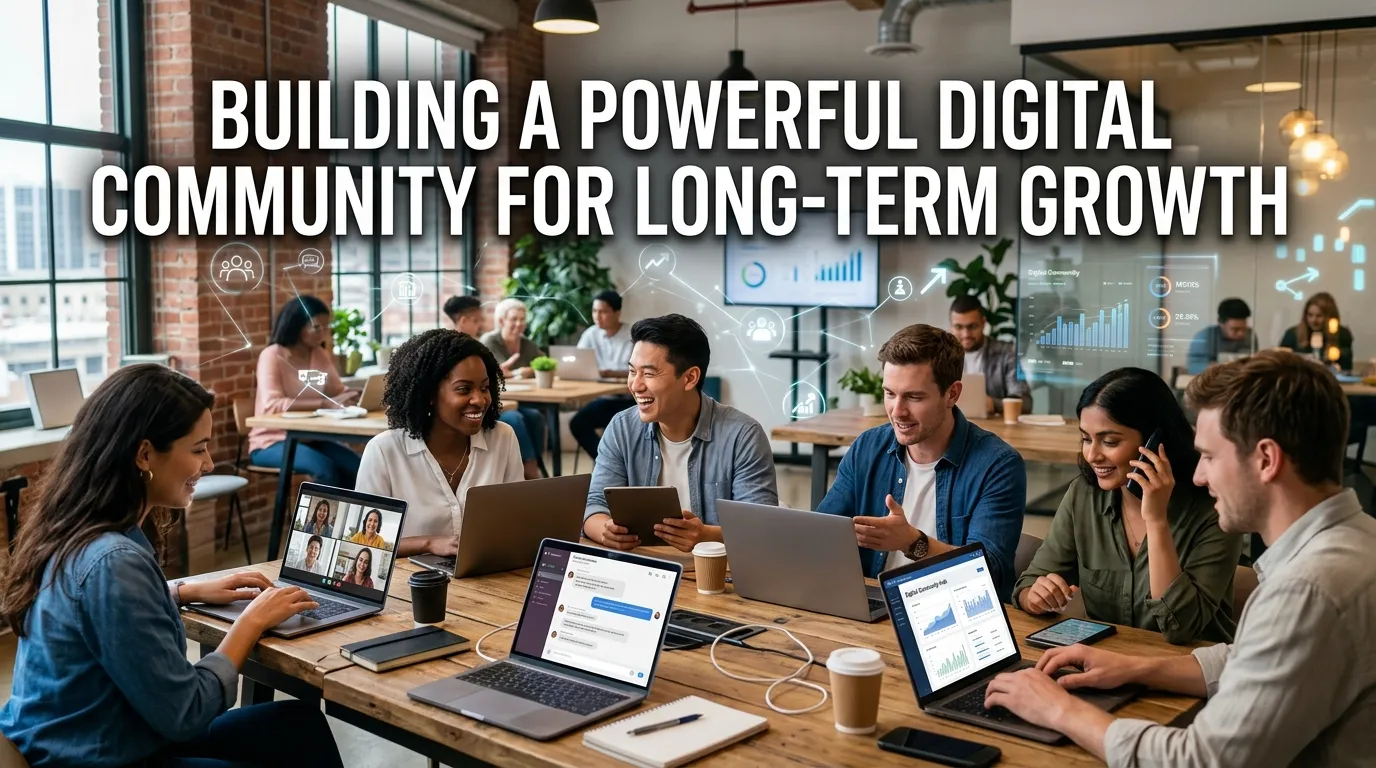
Creating a thriving digital community is the most effective way to build authentic relationships, foster lasting loyalty, and drive sustainable growth for your brand over time.
This comprehensive guide reveals exactly how to build and scale your group from the ground up. You will discover actionable tactics to boost interaction, select the right tools, and implement revenue models that deliver massive value and secure long-term success.
The Strategic Imperative of Building a Digital Community
In an era dominated by fleeting social media interactions and algorithmic unpredictability, establishing a dedicated digital community provides a sanctuary of value and trust. Organizations that transition from traditional, one-way broadcasting to a multi-directional interaction model experience profound shifts in customer retention.
When users gather around a shared interest, challenge, or mission, they form a collective intelligence that benefits everyone involved. The primary objective is to facilitate these relationships rather than strictly managing them. This fundamental shift requires moving away from short-term transactional marketing and embracing a long-term relational strategy. By doing so, brands insulate themselves from market volatility, because their user base becomes an interconnected support system that inherently resists external disruptions.
Aligning Search Intent with Member Needs
Before writing a single line of copy or selecting a software platform, you must deeply analyze the search intent of your target demographic. Are they seeking informational guides, commercial product comparisons, or a transactional peer-to-peer marketplace? Understanding this psychological driver determines the structure of your network.
When members search for solutions to their problems, your digital community should appear as the authoritative destination. This requires semantic SEO optimization across all public-facing pages. By naturally incorporating long-tail keyword variations and contextual synonyms, you signal to search engines that your hub is a comprehensive repository of knowledge. High-quality, member-generated content automatically improves dwell time, satisfying Google’s algorithmic preference for high-engagement, value-rich destinations.
Core Architecture and Platform Selection Strategies
 The technological foundation you choose will dictate your scalability, data ownership, and user experience. Making the correct choice early prevents painful and expensive migrations later. Evaluating your Internal Tech Stack Requirements is the very first step in this process.
Rented vs. Owned Platforms
Many brands begin their journey on rented platforms—such as Facebook groups, LinkedIn communities, or Discord servers. While these platforms boast frictionless onboarding due to existing user habits, they come with severe limitations. You do not own the audience data, your reach is governed by black-box algorithms, and you are vulnerable to arbitrary account suspensions.
Conversely, owned platforms give you absolute sovereignty. Dedicated forum software and custom mobile applications allow you to control the user interface, capture comprehensive analytics, and safeguard your members’ privacy. This autonomy is crucial for demonstrating E-E-A-T (Experience, Expertise, Authoritativeness, Trustworthiness) to both search engines and highly discerning consumers.
Platform Comparison Framework
To assist in your decision-making process, evaluate the following platform types based on your organizational goals:
|
Platform Category |
Data Ownership |
Algorithmic Risk |
Customization |
Best Use Case |
|---|---|---|---|---|
|
Social Media Groups |
Low |
High |
Low |
Initial audience validation and rapid top-of-funnel growth. |
|
Chat Applications (Slack/Discord) |
Medium |
Low |
Medium |
Fast-paced, real-time collaboration for technical or gaming groups. |
|
Dedicated Forum Software |
High |
None |
High |
Deep, searchable, SEO-friendly asynchronous discussions. |
|
Custom Mobile Applications |
Absolute |
None |
Maximum |
Premium brand experiences, high-ticket memberships, and complete ecosystem control. |
Establishing a High-Retention Onboarding Journey
The survival of your initiative hinges on the first forty-eight hours of a new member’s experience. If an individual joins your space and encounters a chaotic, confusing environment, they will bounce and likely never return. Designing an optimized Member Lifecycle Strategy ensures that newcomers are immediately integrated into the social fabric of the group.
The First 48 Hours
Upon registration, users should receive an automated, personalized welcome sequence. This sequence must clearly articulate the purpose of the group, outline the rules of engagement, and direct them to their very first action. Asking a low-friction question—such as requesting a brief introduction or inquiring about their primary goal—promotes immediate participation.
Furthermore, guiding new arrivals to a structured Resource Library demonstrates immediate value. When members instantly access templates, guides, or exclusive training materials, their initial commitment is validated. This psychological win triggers the reciprocity effect, making them more likely to contribute their own insights to the group later.
Content Strategies to Foster Consistent Engagement
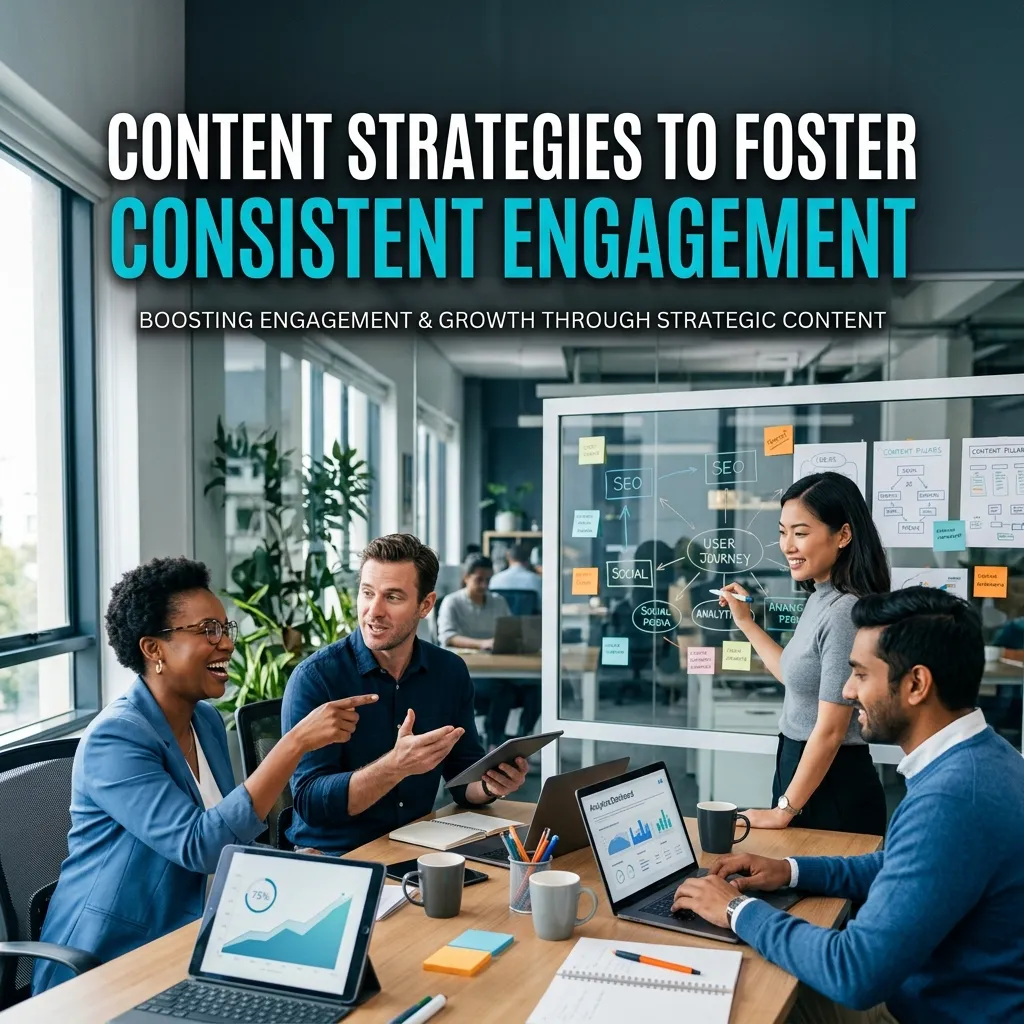 Engagement is the heartbeat of any thriving network. However, forcing interactions through relentless broadcasting leads to fatigue. Instead, you must curate an environment where discussions ignite organically.
Leveraging User-Generated Content
Your members are your most valuable content creators. User-generated content (UGC) provides immense SEO value because it naturally incorporates a massive diversity of long-tail keywords. Search engines reward platforms that feature fresh, relevant, and authentic discourse. To stimulate UGC, implement regular discussion rituals. Weekly challenge threads, “win of the week” celebrations, and structured feedback loops give members a predictable cadence for participation.
Hosting Expert-Led Events
Integrating high-authority voices elevates the perceived value of your ecosystem. Hosting regular “Ask Me Anything” (AMA) sessions, live video Q&As, and expert panels creates urgency and exclusivity. By linking to authoritative external sources, such as Harvard Business Review or industry-specific journals, you ground your discussions in verified data. This enhances your topical authority and signals to search engines that your platform is a nexus of credible information.
Monetization and Sustainable Scaling Models
Sponsorships and B2B Partnerships
As your active user base grows, your platform becomes highly attractive to non-competing businesses targeting the same demographic. B2B sponsorships can be highly lucrative if handled with transparency. Integrate sponsors by having them provide tangible value to your members—such as offering an exclusive masterclass, providing software discounts, or publishing an in-depth, data-backed whitepaper. This approach ensures the sponsorship enhances the user experience rather than interrupting it.
Common Mistakes to Avoid
Even the most well-intentioned initiatives can fail if fundamental errors are made during the execution phase. Avoid these critical missteps to ensure long-term viability:
- Focusing on Vanity Metrics: Obsessing over total registered users while ignoring daily active participation is a lethal mistake. A network of ten thousand silent users generates less value than a highly engaged cohort of five hundred active advocates.
- Over-Automation: While welcome emails and basic moderation bots are essential, relying too heavily on AI to manage human relationships destroys authenticity. Members can instantly detect when a community manager is absent.
- Neglecting the Rules of Engagement: A lack of strict, clear guidelines invites toxicity. Spam, aggressive self-promotion, and hostility will rapidly drive away your most valuable contributors. Moderation must be swift, objective, and consistent.
- Failing to Evolve: What works for your first one hundred members will break when you scale to ten thousand. You must continuously iterate your platform architecture and engagement tactics as the ecosystem matures.
Pro Tips and Expert Insights
To elevate your strategy above the competition, integrate these advanced tactics favored by industry-leading community architects:
- Implement Micro-Communities: As your audience scales, the main feed can become overwhelming. Create sub-groups or specific channels based on granular interests, geography, or experience levels. This prevents larger spaces from diluting the value of niche, high-level conversations.
- Empower Super-Users: Identify your most helpful, consistent members and elevate their status. By granting them official moderator titles, exclusive badges, or private access to your core team, you reward their loyalty and decentralize the administrative workload.
- Cross-Pollinate Content: Repurpose the best insights generated by your members into public-facing blog posts, newsletters, and social media content (always with their permission). This acts as a powerful acquisition tool, showing outsiders the exact caliber of discussion they are missing.
- Measure Sentiment, Not Just Clicks: Utilize natural language processing tools or manual surveys to gauge the emotional temperature of the group. Understanding how your members feel about the space is far more predictive of churn than simply counting their logins.
The Long-Term SEO Impact of Active Communities
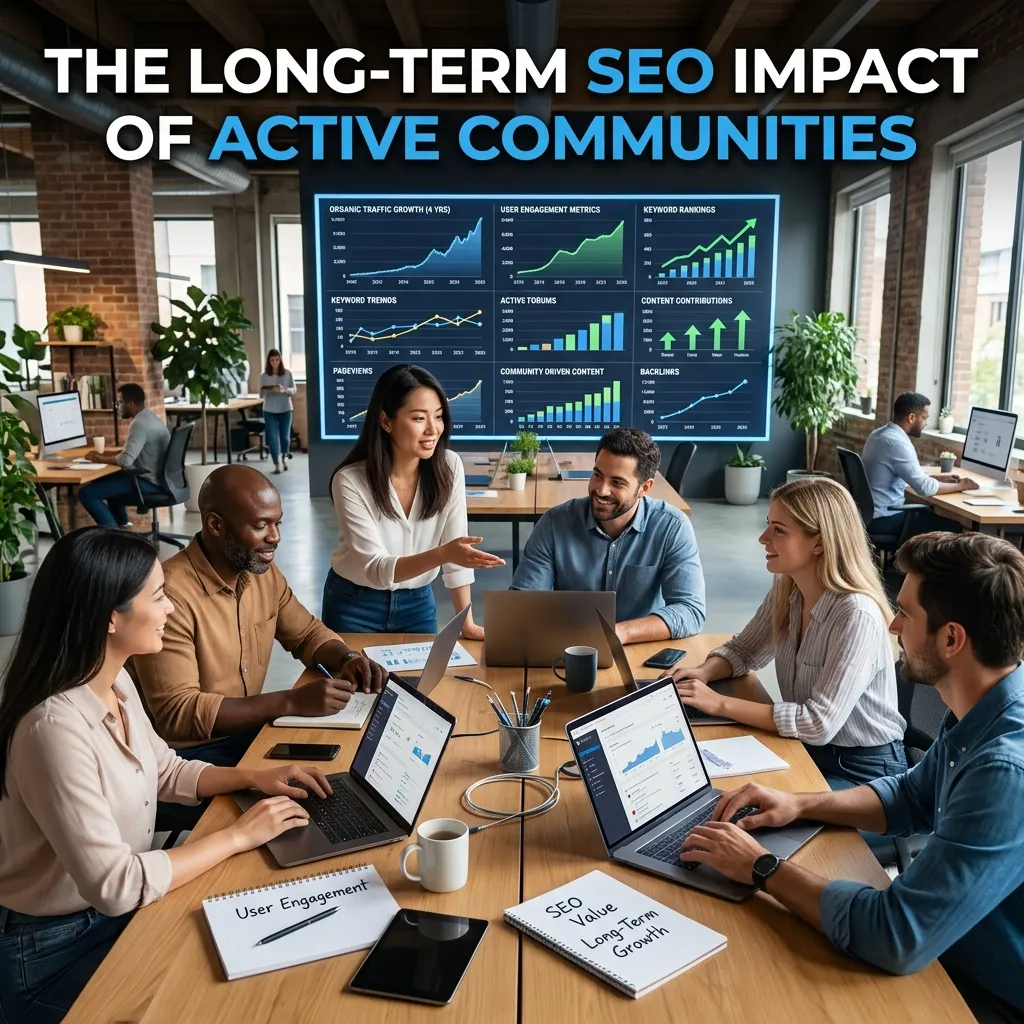 A digital community cannot be discussed without addressing its profound impact on broader organic search performance. Search engines are increasingly prioritizing unique, human-first perspectives over generic, AI-generated content, and this is where a strong digital community becomes a major advantage.
Conclusion
Building a thriving digital community demands patience, strategic planning, and a genuine desire to serve your audience. When you prioritize authentic relationships, choose the proper infrastructure, and deliver continuous value, you create an unstoppable engine for success. Start laying the foundation for your digital community today, and watch as your most passionate supporters help you reach new heights.
Frequently Asked Questions
1. What is the main purpose of a digital community?
A digital community exists to bring together individuals with shared interests, challenges, or goals. It provides a dedicated space for them to connect, learn, and grow together while forming a deeper attachment to the brand or leader facilitating the space.
2. How much time does it take to manage a community?
The time commitment varies wildly based on your chosen platform and size. In the early days, you should expect to spend at least one to two hours daily welcoming members, sparking discussions, and moderating content to set the right culture.
3. Should I launch my community on a free or paid platform?
This depends entirely on your business goals. Free social platforms are great for broad brand awareness and rapid growth. Paid or owned platforms are better if you want complete data ownership, premium features, and a distraction-free environment for your members.
4. How do I get my first 100 members?
Start by inviting your existing email subscribers, clients, and social media followers. Offer a specific incentive, such as an exclusive workshop or a free resource guide, to encourage those early adopters to join and participate.
5. What rules should I establish for my members?
Your guidelines should clearly outline acceptable behavior. Prohibit spam, self-promotion, and disrespectful language. Make sure members know how to report issues and clearly state the consequences for breaking the rules.
6. How do I handle inactive members?
Do not worry too much about “lurkers” as they often still consume and value your content. To re-engage them, try sending a personalized check-in email, tagging them in a relevant discussion, or asking for their opinion on a new initiative.
7. Can a community replace my customer support team?
While a digital community can significantly reduce support tickets by allowing members to help one another, it should not entirely replace your official support channels for sensitive account issues or billing inquiries.
8. What metrics matter most for measuring success?
Focus on active participation rates, the number of member-initiated posts, retention over 90 days, and the organic growth rate. These indicators are far more telling than simply tracking your total registered user count.
9. How do I transition from a free group to a paid model?
Communicate openly with your current members before making any changes. Introduce the paid tier as an optional upgrade that offers massive additional value, such as direct coaching or premium courses, while ensuring the free space still remains valuable.
10. How do I find moderators for my group?
Look for members who are already naturally helping others, answering questions accurately, and embodying your core values. Reach out to them privately and offer them a leadership role, often compensated with free premium access or other exclusive perks.