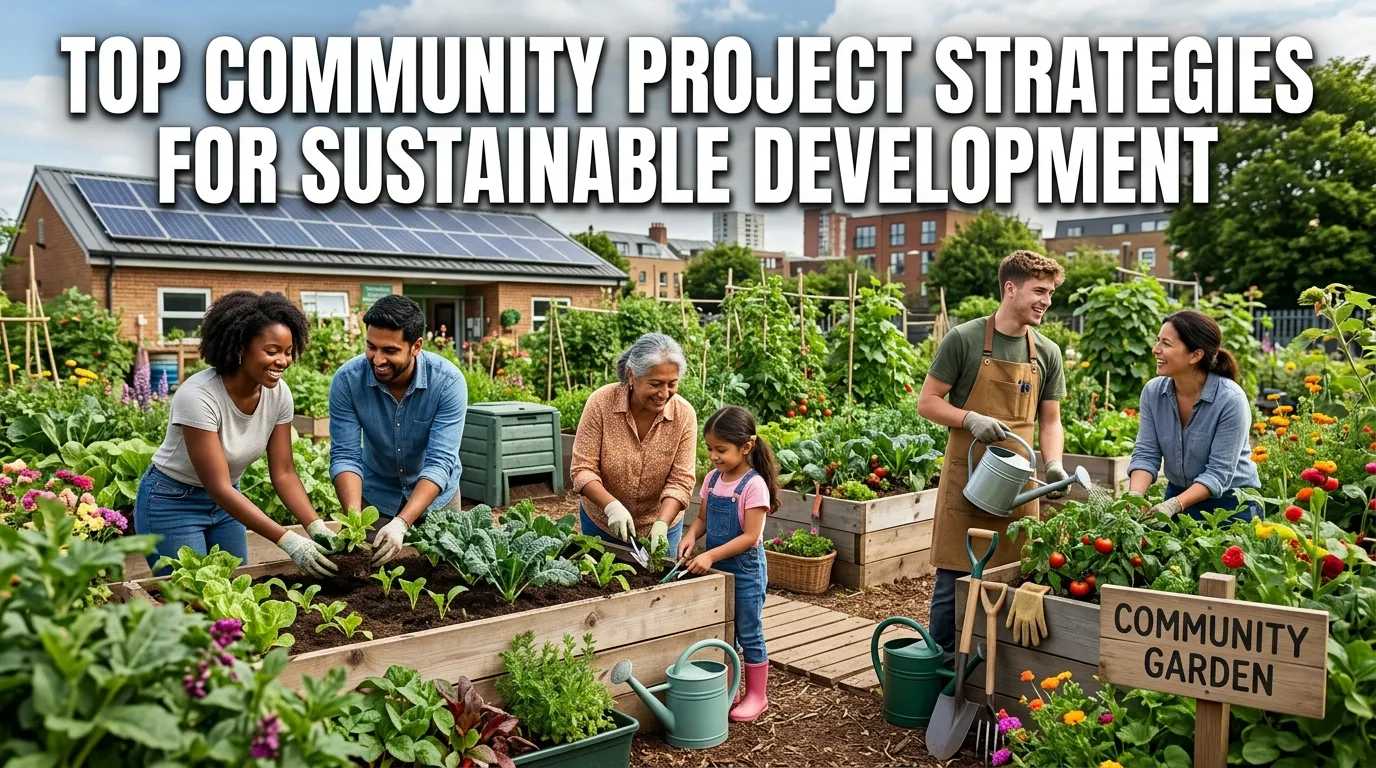
This blog explains effective community project strategies for sustainable development, highlighting planning, participation, education, technology, environment, and sports engagement to build stronger, more connected, and future-ready communities through collective action and meaningful collaboration.
A community project is a collective effort where people work together to solve local problems and improve society. It focuses on sustainable development through participation, planning, and shared responsibility. This blog explores effective strategies, Community Project Ideas, and the Power of Community Discussion to create lasting impact. It also highlights modern trends, education, environment, and youth engagement for stronger communities.
Understanding the Purpose of a Community Project
A successful community project begins with a clear understanding of its purpose. Every community project should aim to solve a specific problem or improve a particular area of community life. This may include education, health awareness, sanitation, or social inclusion. When the purpose is well-defined, it becomes easier to plan activities and involve participants effectively. Strong planning ensures that resources are used properly and outcomes are measurable. Many Community Project Ideas fail because they lack direction or community engagement. That is why identifying real needs through surveys or discussions is essential. The Power of Community Discussion helps in shaping goals that reflect real concerns. A well-structured purpose creates motivation among participants and ensures long-term sustainability of the project.
Identifying Local Needs for Effective Impact
To build a successful community project, identifying local needs is the first critical step. Every community is different, so solutions must be tailored accordingly. Conducting surveys, interviews, or group discussions helps gather valuable insights. This ensures that the project addresses real problems instead of assumed ones. For example, some areas may need better waste management, while others may require educational support or health awareness. Using Community Project Ideas based on actual data increases the chances of success. The Power of Community Discussion allows residents to openly share their challenges and priorities. When people feel heard, they are more likely to participate actively. Understanding local needs also helps in resource allocation, making the project more efficient, impactful, and sustainable over time.
Building Strong Community Participation
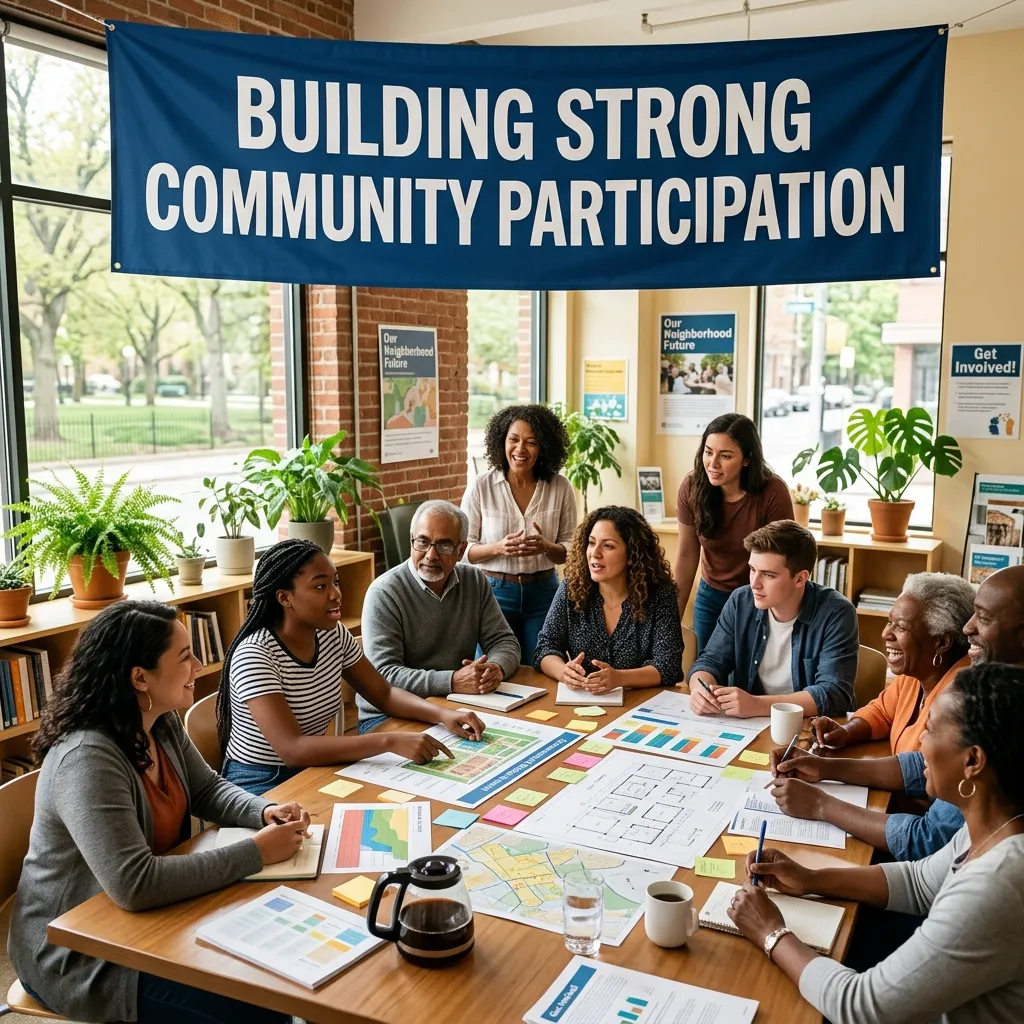 Community participation is the backbone of any successful community project. Without active involvement from local people, even the best ideas may fail. Encouraging participation starts with awareness and trust-building. Organizing meetings, workshops, and local events helps people feel included. When individuals contribute their time and skills, the project becomes more meaningful and sustainable. Many Community Project Ideas succeed because they are community-driven rather than externally imposed. The Power of Community Discussion ensures that everyone has a voice in decision-making. This creates a sense of ownership and responsibility among participants. Strong participation also improves problem-solving because diverse perspectives lead to better solutions. A community that works together builds long-term strength, unity, and resilience for future challenges.
Sustainable Planning and Resource Management
Sustainability is a key factor in any community project. Without proper planning, even good initiatives may fail over time. Sustainable planning involves using available resources wisely and ensuring long-term benefits. This includes budgeting, material usage, and volunteer coordination. Many Community Project Ideas become successful when they focus on sustainability from the beginning. Instead of short-term fixes, projects should aim for lasting solutions. The Power of Community Discussion helps in identifying cost-effective methods and local resource support. Communities can also collaborate with NGOs or local authorities for additional assistance. Proper resource management reduces waste and increases efficiency. A well-planned project not only solves immediate issues but also builds a foundation for continuous development and improvement in the community.
Using Education and Awareness Programs
Education is one of the strongest tools in any community project. Awareness programs help people understand important issues such as health, the environment, and social responsibility. When communities are educated, they make better decisions and support positive change. Many Community Project Ideas include workshops, training sessions, and campaigns to spread knowledge. These programs empower individuals and encourage long-term behavioral change. The Power of Community Discussion enhances learning by allowing people to share experiences and ideas. Schools, local centers, and public spaces can be used to conduct awareness activities. Educated communities are more likely to sustain development efforts and contribute actively. By focusing on learning and awareness, community projects become more impactful and create lasting improvements in society.
Leveraging Technology in Community Projects
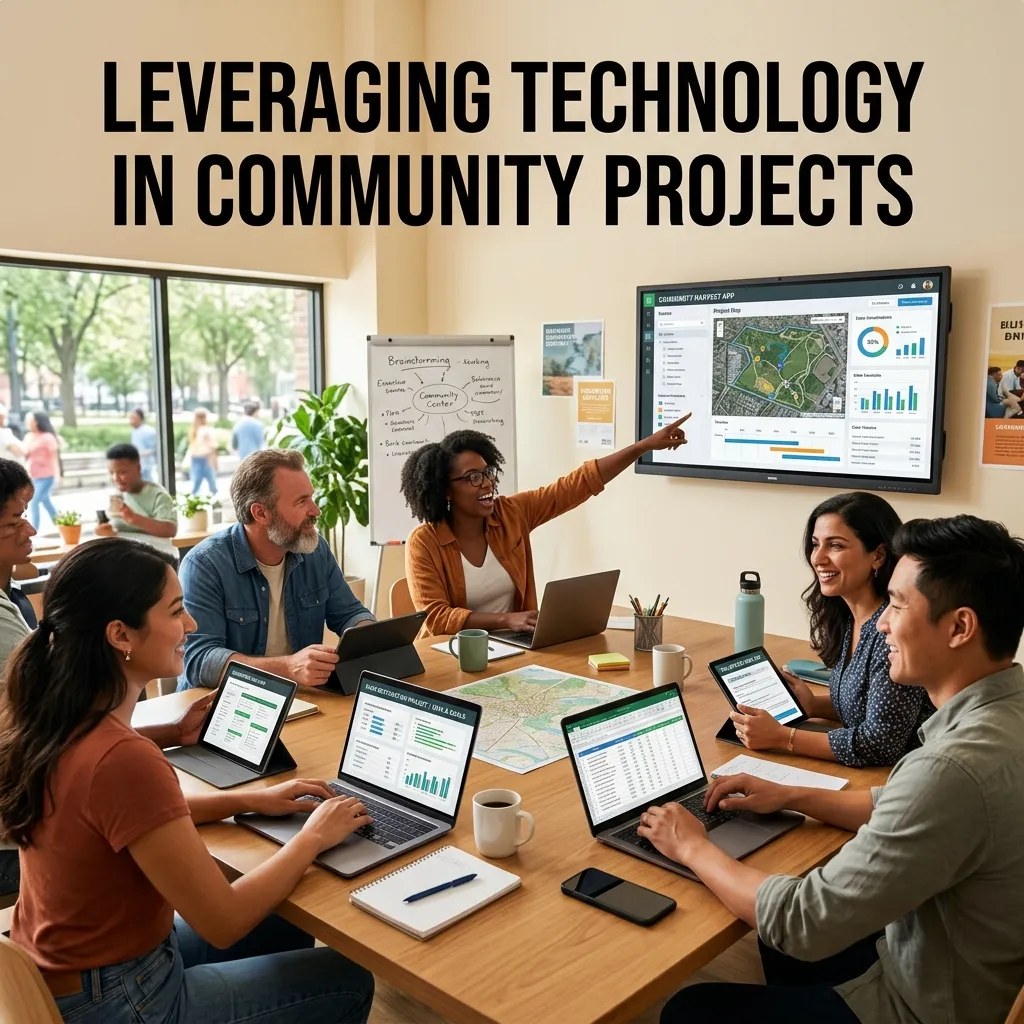 Modern community project development is increasingly supported by technology. Digital tools help in communication, planning, and monitoring progress. Social media platforms can be used to spread awareness and gather participants. Online surveys make it easier to understand community needs. Many Community Project Ideas now include mobile apps or digital dashboards for better coordination. The Power of Community Discussion is amplified through online forums and virtual meetings, allowing wider participation. Technology also helps in tracking results and improving transparency. Communities can use data to make better decisions and adjust strategies quickly. By integrating technology, projects become more efficient, organized, and scalable. This ensures that even larger communities can benefit from well-managed and well-connected initiatives.
Role of Leadership in a Successful Community Project
Strong leadership is a key factor in the success of any community project. A good leader guides participants, maintains motivation, and ensures that goals are achieved effectively. Leadership is not only about authority; it is about responsibility, communication, and teamwork. In sustainable development, leaders help coordinate resources, resolve conflicts, and encourage participation from all community members. They also ensure that Community Project Ideas are implemented properly and that everyone understands their roles. Through the Power of Community Discussion, leaders can gather feedback and improve decision-making. Effective leadership creates trust and unity, which are essential for long-term success. Without proper leadership, even well-planned projects may lose direction and fail to achieve meaningful impact.
Key Leadership Points
- Encourages teamwork and participation
- Builds trust within the community
- Helps in decision-making and conflict resolution
- Ensures proper resource management
- Motivates volunteers and participants
| Leadership Role | Responsibility Area | Impact on Project Success |
|---|---|---|
| Project Coordinator | Overall planning and supervision | Ensures smooth execution |
| Community Facilitator | Engagement and communication | Increases participation |
| Resource Manager | Budget and material control | Prevents waste and ensures efficiency |
| Volunteer Leader | Team motivation and coordination | Strengthens teamwork |
Environmental Sustainability in Community Projects
Environmental focus is an important part of any community project today. Issues like pollution, waste management, and climate change require collective action. Communities can start tree plantation drives, recycling programs, and clean-up campaigns. Many Community Project Ideas are designed specifically to protect natural resources and promote eco-friendly habits. The Power of Community Discussion helps in raising awareness about environmental challenges and encouraging participation. When people understand the impact of their actions, they are more likely to adopt sustainable practices. Schools, local organizations, and volunteers play a key role in environmental projects. By focusing on sustainability, communities not only protect nature but also improve the quality of life for future generations.
Sports and Youth Engagement in Communities
Sports play a major role in strengthening a community project by engaging youth and promoting teamwork. Organizing local tournaments and fitness programs encourages healthy lifestyles and social bonding. Many Community Project Ideas now include sports activities as a way to reduce stress and build discipline among young people. The Power of Community Discussion helps in planning inclusive events that bring different age groups together. Sports also reduce social barriers and create unity within the community. Youth engagement is especially important because it shapes future leaders. When young people participate in community activities, they develop responsibility and leadership skills. Sports-based initiatives make community development more dynamic, active, and enjoyable for everyone involved.
Measuring Success and Long-Term Impact of Community Projects
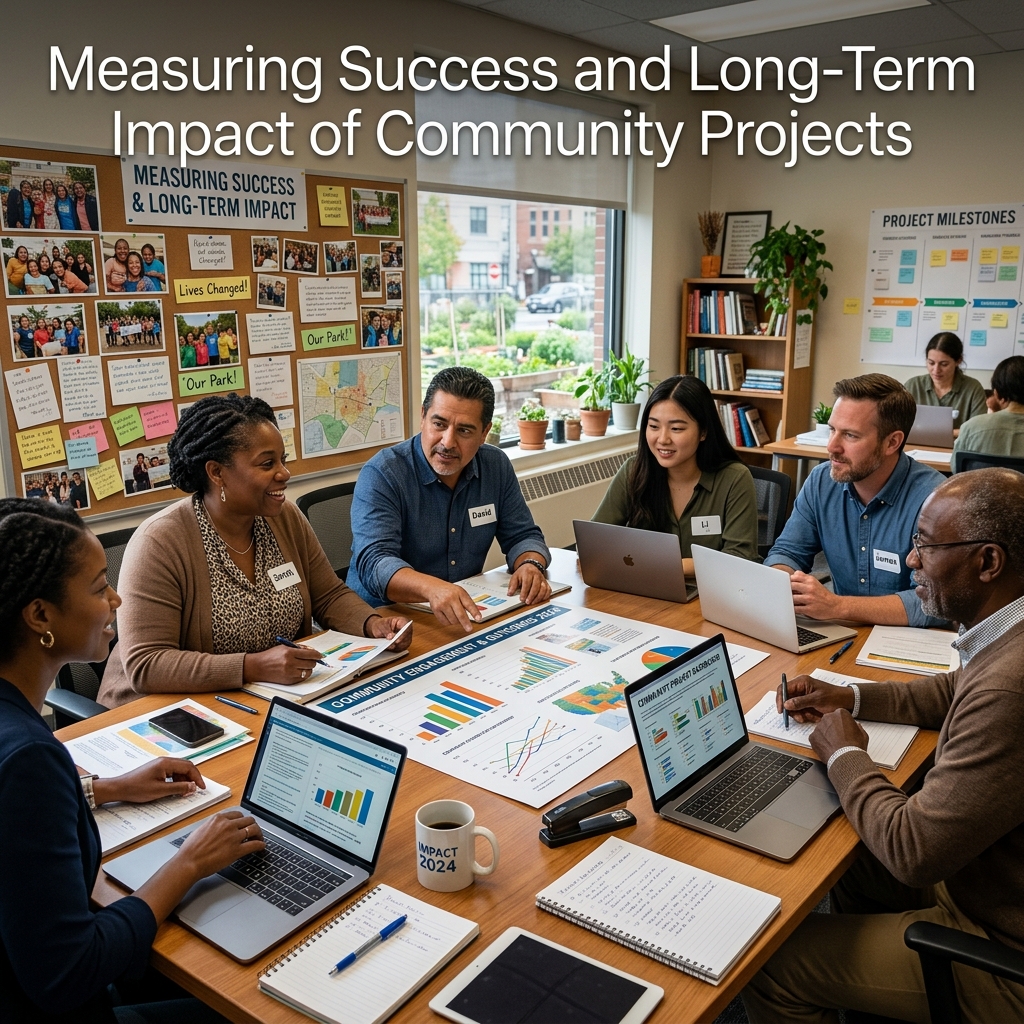 Measuring success is essential in any community project to understand its effectiveness and long-term impact. Without evaluation, it becomes difficult to know whether the project is truly benefiting the community. Success is not only about completing tasks but also about creating lasting positive change. Many Community Project Ideas include feedback systems, surveys, and progress tracking to measure outcomes. The Power of Community Discussion helps gather honest opinions from participants, making the evaluation more accurate. Regular assessment ensures that improvements can be made over time. A successful project should show growth in participation, awareness, and problem-solving capacity within the community. Long-term impact also includes sustainability, behavior change, and stronger social bonds among people.
Key Success Measurement Points
- Level of community participation
- Improvement in local conditions
- Achievement of project goals
- Sustainability of outcomes
- Feedback from community members
| Evaluation Factor | Measurement Method | Expected Outcome |
|---|---|---|
| Participation Rate | Attendance & volunteer count | High community engagement |
| Goal Achievement | Project milestone tracking | Completion of planned objectives |
| Community Feedback | Surveys & discussions | Improved satisfaction levels |
| Sustainability | Long-term observation | Lasting positive impact |
Community Trends and Digital Influence
Modern community project development is influenced by global and digital trends. Online communities now play a big role in spreading ideas and inspiring local action. Social media helps share successful Community Project Ideas across different regions. The Power of Community Discussion has expanded beyond physical meetings to digital platforms where people exchange knowledge globally. Even Sports Community Trends influence local engagement by promoting fitness challenges and virtual events. These trends encourage innovation and collaboration across communities. Digital influence also helps attract volunteers and funding opportunities. By staying updated with trends, communities can adopt modern strategies and improve project effectiveness. This connection between local action and global ideas strengthens overall community development efforts.
Conclusion
A well-planned community project is a powerful tool for sustainable development and social transformation. It brings people together, encourages participation, and creates long-term solutions for local challenges. By focusing on planning, education, sustainability, and engagement, communities can achieve meaningful results. The integration of Community Project Ideas, technology, and the Power of Community Discussion ensures better collaboration and innovation. Additionally, awareness of Sports Community Trends and environmental responsibility adds more value to development efforts. When individuals work together with shared goals, communities become stronger and more resilient. Ultimately, successful community projects are not just about solving problems but about building a better future for everyone involved.
Frequently Asked Questions
1: What is a community project?
A community project is a planned initiative where local people work together to solve social, environmental, or developmental issues. It focuses on collaboration, shared responsibility, and improving living standards through collective effort and sustainable solutions that benefit the entire community.
2: Why are community projects important?
Community projects are important because they improve local living conditions, build unity, and solve real problems. They encourage participation, develop leadership skills, and create long-term positive impact by addressing education, health, environment, and social needs within the community effectively.
3: What are some Community Project Ideas?
Community Project Ideas include tree plantation drives, cleanliness campaigns, education support programs, health awareness workshops, and sports activities. These ideas help improve social well-being, encourage teamwork, and promote sustainable development while engaging people of all ages in meaningful actions.
4: How do you start a community project?
To start a community project, identify local needs, gather interested people, plan goals, and allocate resources. Conduct meetings, assign roles, and ensure participation. Clear communication and teamwork are essential for building a successful and impactful community initiative from the beginning.
5: What is the Power of Community Discussion?
The Power of Community Discussion lies in bringing people together to share ideas and solve problems collectively. It helps identify real issues, improves data-driven decision-making, and builds trust among members, leading to stronger cooperation and more effective community development outcomes.
6: How can youth contribute to community projects?
Youth can contribute to a community project by volunteering, organizing events, spreading awareness, and leading initiatives. Their energy and creativity help drive innovation, while participation builds leadership skills and encourages long-term involvement in social and community development activities.
7: What role does education play in community projects?
Education strengthens community projects by increasing awareness and knowledge. It helps people understand issues better and make informed decisions. Educational programs improve participation, promote responsible behavior, and ensure the long-term success of development initiatives within the community.
8: How does technology help community projects?
Technology supports a community project by improving communication, planning, and coordination. Social media and digital tools help spread awareness, gather volunteers, and track progress efficiently, making community efforts more organized, transparent, and impactful in today’s digital world.
9: What are sustainable community projects?
Sustainable community projects focus on long-term benefits rather than short-term solutions. They use resources wisely, promote environmental protection, and ensure continuous improvement. These projects aim to create lasting positive change while preserving resources for future generations effectively.
10: How do sports help community development?
Sports play a key role in a community project by promoting teamwork, health, and unity. They engage youth, reduce social barriers, and encourage discipline. Sports activities strengthen relationships and create a positive, active, and connected community environment.