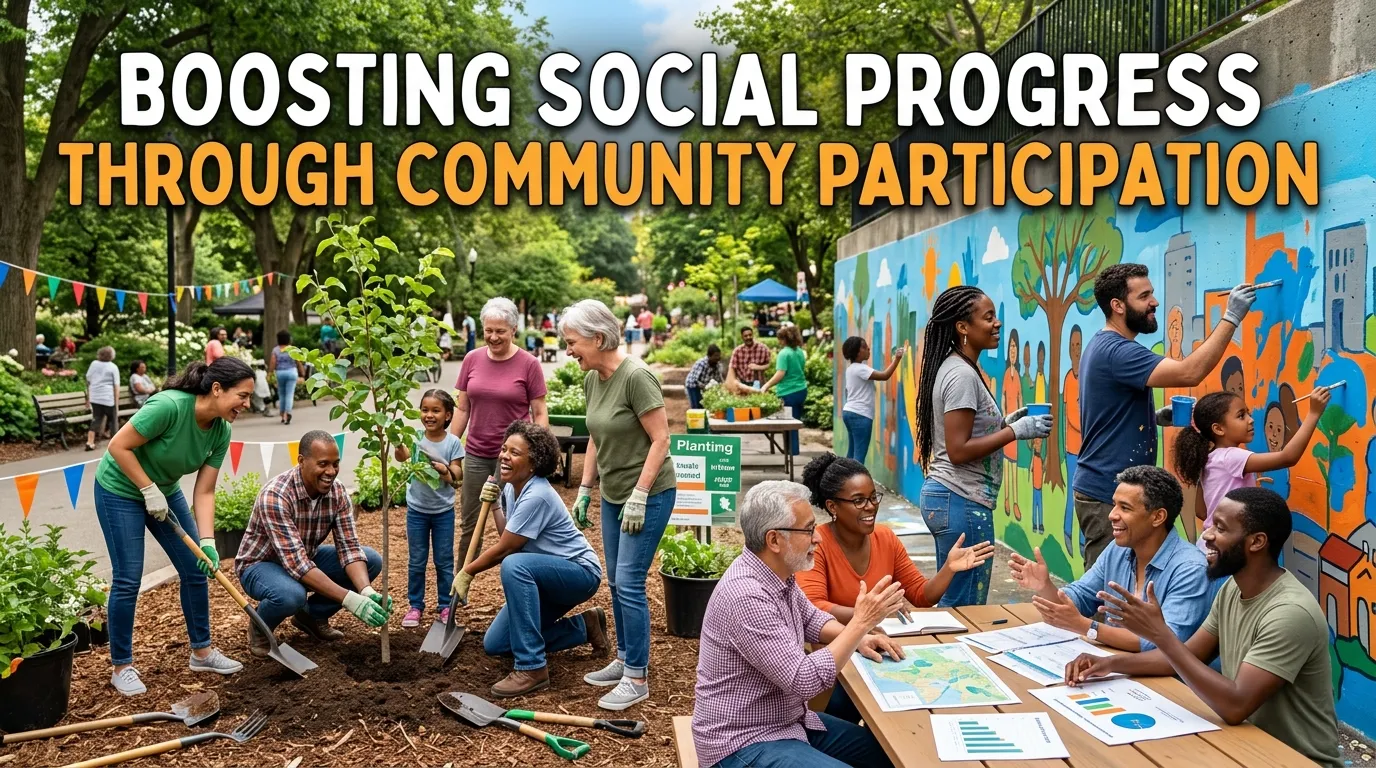
Community participation strengthens society by involving people in decision-making and development activities. It improves governance, education, health, and economy while building trust, cooperation, and shared responsibility for sustainable and inclusive social progress and community growth.
Community participation is the active involvement of people in decisions and actions that shape their local society. It encourages citizens to work together to solve problems and improve living standards. Through community participation, individuals contribute to education, health, governance, and development activities. This collective effort builds trust, unity, and responsibility, leading to stronger and more sustainable communities where everyone plays an important role.
Understanding Community Participation
Community participation refers to the active involvement of individuals in decisions and actions that affect their community. It includes volunteering, attending meetings, and engaging in development activities. Through this process, people become active contributors rather than passive observers. It ensures that local needs are properly identified and addressed in planning and execution. This involvement also builds a sense of ownership, responsibility, and belonging among residents. Strong engagement helps improve communication between citizens and authorities. It encourages people to express their opinions freely and take part in meaningful change. Over time, it creates a foundation where collaboration leads to shared growth and long-term community improvement.
Importance in Social Development
Community participation plays a vital role in social development by encouraging people to work together toward common goals. It helps improve living conditions by addressing local issues more effectively. When citizens participate in social activities, they promote equality, cooperation, and inclusion among diverse groups. This involvement ensures that development programs are more practical and relevant to real needs. It also increases transparency in decision-making and project implementation. People become more aware of their responsibilities and rights within society. As a result, social systems become stronger, more balanced, and more resilient. Collective effort leads to long-lasting improvements in the quality of life for everyone.
Role in Local Governance
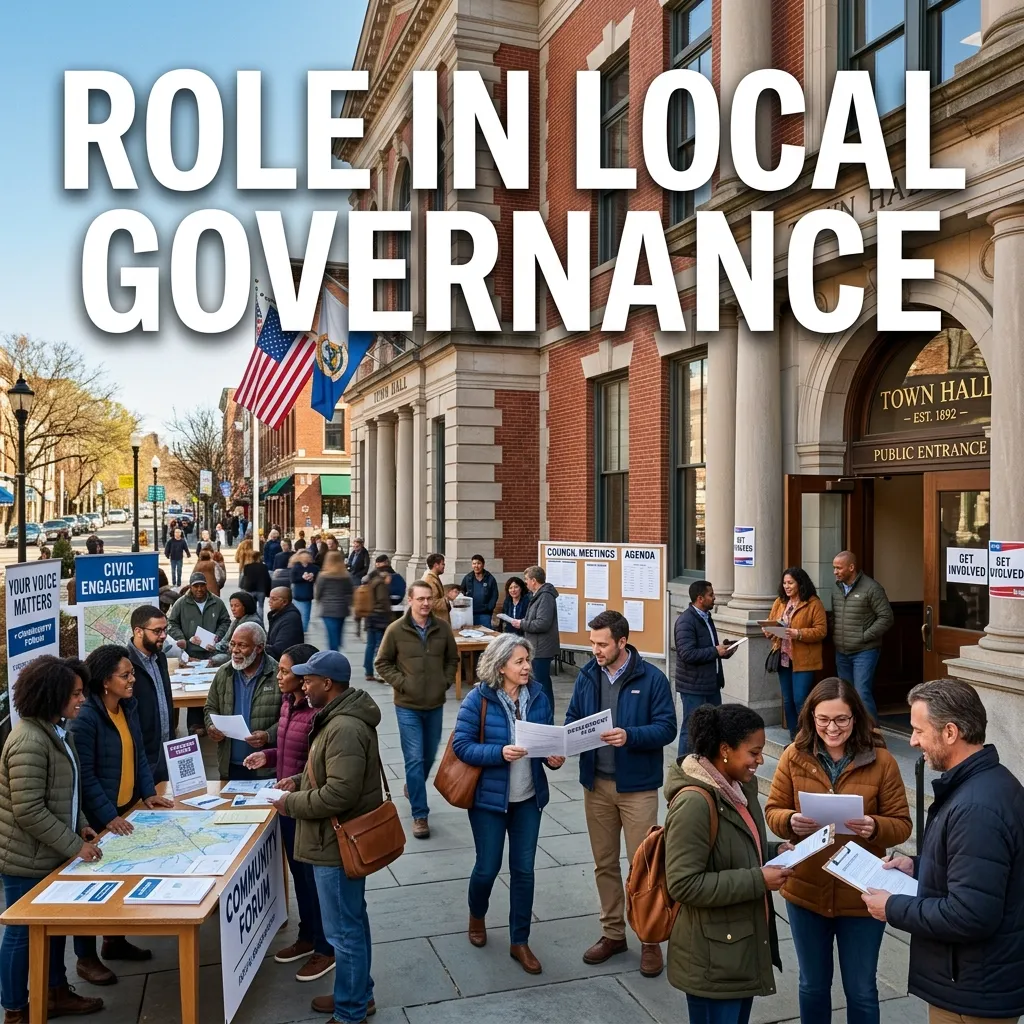 Local governance becomes more effective when community participation is actively encouraged. Citizens who engage in decision-making help ensure that policies reflect real community needs. Through public meetings, feedback systems, and consultations, people can directly influence development plans. This process increases transparency and reduces the risk of corruption. It also builds trust between government bodies and residents. Public services such as infrastructure, sanitation, and safety improve when communities are involved. People feel more empowered when they see their voices making a difference. Ultimately, governance becomes a shared responsibility where both authorities and citizens collaborate for better public welfare and sustainable development.
Education and Awareness
Education systems become stronger when supported by community participation. Parents, teachers, and local organizations working together can improve learning environments for students. It helps identify gaps in education and encourages solutions like tutoring, scholarships, and better facilities. Awareness programs on health, environment, and social issues also become more effective when communities are involved. People share knowledge and support lifelong learning initiatives. This collective effort ensures that education is not limited to classrooms but extends to society as a whole. It also encourages responsibility among learners and families. Overall, it creates a more informed, skilled, and socially responsible population.
Health and Well-being Impact
Community participation has a strong impact on public health and well-being. When people take part in health programs, they become more aware of hygiene, disease prevention, and healthy lifestyles. Awareness campaigns become more effective when communities actively support them. Local volunteers also help improve healthcare services and assist vulnerable individuals. This cooperation ensures better access to medical facilities and timely support. It reduces health risks and promotes preventive care practices. People also become more responsible for their surroundings and personal habits. As a result, communities become healthier, safer, and more supportive environments where individuals look after each other’s well-being.
Economic Development Benefits
 Economic growth is closely connected with community participation because local involvement helps identify opportunities and challenges. When people contribute to economic activities, they support entrepreneurship and skill development. It also strengthens small businesses by creating local support systems. Communities that engage in planning often experience better job opportunities and income growth. This reduces poverty and promotes equal distribution of resources. Collective efforts also attract investment and development programs from outside organizations. Economic planning becomes more inclusive and practical when citizens are involved. Ultimately, it leads to sustainable growth where everyone benefits from improved financial stability and economic progress.
Youth Involvement
Youth play an important role in community participation because they bring energy, creativity, and innovation to social development. When young people engage in local activities, they develop leadership skills and a sense of responsibility. They also contribute to environmental campaigns, education programs, and awareness initiatives. This involvement helps them build stronger connections with their community. Schools and organizations can encourage youth engagement through volunteering and leadership opportunities. It also prepares them for future challenges by teaching teamwork and problem-solving. Active youth participation ensures long-term sustainability of community development efforts and creates a generation that is socially responsible and motivated to bring positive change.
Strategies to Strengthen Community Participation
Strengthening community participation requires consistent effort from individuals, organizations, and local authorities. When people are motivated and informed, they are more likely to take part in community activities. Awareness programs, digital tools, and inclusive policies play an important role in increasing engagement. Community participation becomes stronger when trust is built between citizens and decision-makers. Providing opportunities for volunteering and leadership also encourages active involvement. Education and communication are essential to ensure everyone understands their role in community development. With the right strategies, communities can become more active, united, and capable of achieving long-term progress.
Effective Strategies:
- Conduct awareness and education campaigns
- Use digital platforms for engagement
- Encourage youth leadership programs
- Organize regular community meetings
- Promote volunteering opportunities
- Build trust between citizens and authorities
| Strategy Type | Action Method | Expected Outcome |
|---|---|---|
| Awareness Programs | Workshops, seminars, campaigns | Increased public knowledge |
| Digital Engagement | Social media, online forums | Wider participation reach |
| Youth Involvement | Leadership and volunteer programs | Active young contributors |
| Community Meetings | Local discussions and feedback | Better decision-making |
| Government Support | Transparent policies and access | Stronger public trust |
Role of NGOs and Organizations
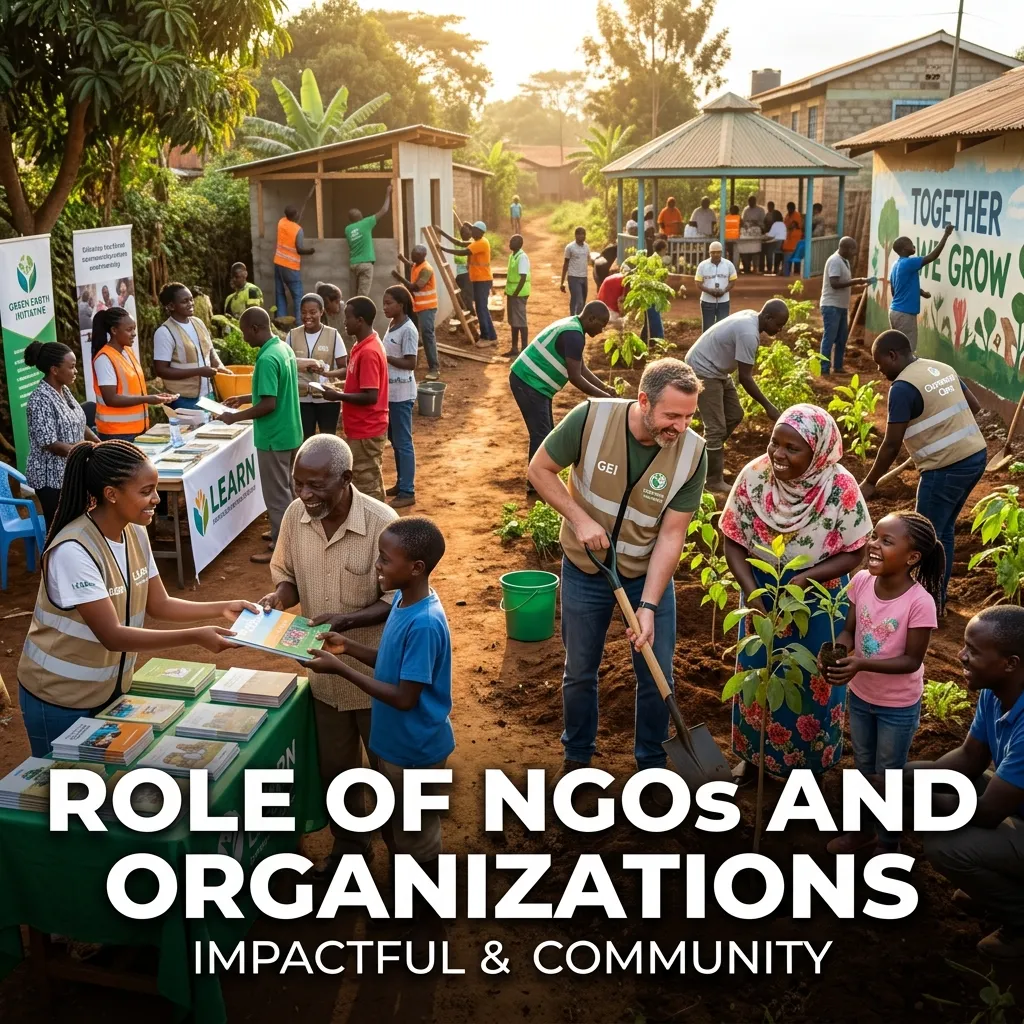 Non-governmental organizations and local institutions play a key role in promoting social development. They connect communities with resources, training, and development programs. These organizations help implement projects in health, education, and the environment more effectively. By working closely with residents, they ensure that initiatives match local needs and conditions. They also build capacity by training volunteers and supporting leadership development. Collaboration between organizations and citizens improves the planning and execution of community projects. This partnership leads to more sustainable and impactful outcomes. Over time, it empowers communities to take ownership of their progress and ensures long-term social improvement.
Digital Era and Community Participation
In the digital age, community participation has expanded through online platforms and social media. People can now share ideas, join discussions, and take part in virtual programs easily. Digital tools make communication faster and more accessible, allowing wider engagement. Online campaigns, petitions, and forums help citizens express their opinions on important issues. Technology also connects different communities, encouraging collaboration and knowledge sharing. However, digital inclusion is important so that everyone can participate equally. With proper access and awareness, digital platforms make social engagement more transparent and efficient. This modern approach strengthens participation and helps build more connected and informed societies.
Benefits of Strong Community Participation
Strong community participation creates long-lasting positive change in society by encouraging people to work together for shared goals. When individuals actively engage in local development, it improves trust, cooperation, and responsibility among citizens. It also helps solve community problems faster because local people understand their issues better than outsiders. Community participation strengthens relationships between citizens and authorities, making governance more transparent and effective. It also promotes inclusivity, ensuring that everyone’s voice is heard in decision-making processes. Over time, this collective involvement leads to improved public services, better living standards, and sustainable social development.
Key Benefits:
- Improves trust between citizens and local authorities
- Encourages faster and more practical problem-solving
- Strengthens social unity and cooperation
- Enhances transparency in decision-making
- Improves public services and infrastructure
- Promotes inclusive and fair development
| Area of Impact | Benefit Description | Result for Society |
|---|---|---|
| Governance | Increases transparency and accountability | Better public trust |
| Education | Improves learning support and awareness | Higher education quality |
| Health | Promotes awareness and preventive care | Healthier communities |
| Economy | Encourages local business and jobs | Reduced poverty |
| Social Unity | Builds cooperation among diverse groups | Stronger social harmony |
Challenges and Solutions
 Despite its importance, community participation faces challenges such as a lack of awareness, limited resources, and low engagement. Communication gaps between citizens and authorities can also reduce effectiveness. To overcome these issues, awareness programs and education are essential. Building trust and transparency encourages more people to get involved. Providing incentives for volunteers and simplifying participation processes can also increase engagement. Technology can help bridge gaps and improve communication. When these challenges are addressed, communities become more active and cooperative. Stronger involvement leads to better decision-making and sustainable social progress. Overcoming barriers ensures that development becomes more inclusive and effective.
Conclusion
Community-driven development is essential for building stronger and more resilient societies. When people actively contribute to solving local problems, they create lasting positive change in every sector of life. Cooperation between citizens, institutions, and organizations leads to better outcomes in education, health, the economy, and governance. It strengthens trust, responsibility, and unity among people. Although challenges exist, they can be overcome through awareness, education, and inclusive strategies. A society that values collective effort becomes more balanced and sustainable. Ultimately, the active involvement of people ensures long-term progress and a better future for everyone.
Frequently Asked Questions
1: What is community participation?
Community participation means people actively taking part in decisions, planning, and activities that affect their local area. It encourages citizens to contribute ideas, solve problems, and work together for common goals, improving overall development and social harmony in society.
2: Why is community participation important?
Community participation is important because it helps improve social development, public services, and local decision-making. When people get involved, solutions become more practical, inclusive, and effective, leading to stronger trust between citizens and authorities and better community outcomes overall.
3: How does community participation improve society?
Community participation improves society by encouraging cooperation, equality, and shared responsibility. It helps identify local problems faster and find collective solutions. This leads to better education, healthcare, governance, and stronger social relationships among community members for long-term positive change.
4: What are examples of community participation?
Examples include attending local meetings, volunteering for social work, joining awareness campaigns, participating in clean-up drives, and contributing to development projects. These activities allow people to actively support improvement in education, health, infrastructure, and overall community well-being.
5: How does community participation support education?
Community participation supports education by involving parents, teachers, and local groups in improving schools. It helps identify learning gaps, provides resources, and creates better environments. This collective effort improves student performance and encourages lifelong learning within the community.
6: What role does community participation play in health?
Community participation plays a key role in health by promoting awareness, preventive care, and hygiene practices. It helps organize health campaigns, improve facilities, and support vulnerable people, leading to healthier lifestyles and reduced disease risks within communities.
7: How does community participation affect local governance?
Community participation improves local governance by making decision-making more transparent and inclusive. Citizens share feedback, attend meetings, and influence policies. This reduces corruption, builds trust, and ensures public services are better aligned with real community needs and expectations.
8: What challenges affect community participation?
Common challenges include a lack of awareness, limited resources, poor communication, and low motivation. Sometimes people feel disconnected from decision-making. Overcoming these issues requires education, transparency, better engagement methods, and encouragement from local leaders and organizations.
9: How can community participation be improved?
Community participation can be improved through awareness programs, education, digital tools, and incentives for involvement. Encouraging transparency, building trust, and simplifying participation processes also help. Strong leadership and active communication increase public engagement and cooperation.
10: What is the future of community participation?
The future of community participation is highly connected with technology and digital platforms. Online tools will make involvement easier and faster. Increased awareness, education, and collaboration will create more inclusive, active, and empowered communities working toward shared progress.