This blog explains how to build a strong online community using effective strategies, valuable content, trust, and engagement. It highlights benefits, challenges, and growth methods to create a loyal and active online community.
In today’s digital era, an online community is essential for building strong connections and engagement. It brings people together who share similar interests, allowing them to communicate, learn, and grow. A well-structured online community helps improve trust, interaction, and loyalty. This blog explores practical tips, benefits, and strategies to help you successfully create and manage an active online community.
Understanding What an Online Community Is
An online community is a digital space where people with similar interests, goals, or values come together to interact and share information. It can exist on social media platforms, forums, websites, or dedicated apps. The main purpose of an online community is to create meaningful connections between members, even if they are located in different parts of the world. In a strong online community, members feel valued, heard, and supported. Unlike traditional communication methods, an online community allows real-time discussions, feedback, and collaboration. It helps people learn from each other while building trust and engagement. Businesses, educators, and influencers often use an online community to strengthen relationships and grow their audience effectively.
Importance of Building an Online Community
Building a digital community is important because it helps create long-term engagement and loyalty. Instead of one-way communication, it encourages interaction and participation from members. A strong online community increases trust, which is essential for brands, businesses, and creators. It also helps in understanding customer needs, preferences, and feedback in real time. When people feel connected, they are more likely to stay active and contribute regularly. It also improves visibility and brand awareness through word-of-mouth sharing. Additionally, it provides emotional support and knowledge exchange among members. In today’s competitive digital world, having an online community is not just an option but a necessity for sustainable growth and success.
Choosing the Right Platform for Your Online Community
 Selecting the right platform is a crucial step in building an online community. Different platforms offer different features, so it is important to choose one that matches your goals. Social media platforms like Facebook, Discord, and Reddit are popular for creating online communities due to their interactive tools. Websites and forums provide more control and customization options. When choosing a platform, consider your audience’s behavior, ease of use, and engagement features. A good platform should support discussions, content sharing, and notifications. The right choice will help your online community grow faster and stay active. A poorly chosen platform can reduce engagement and limit the success of your community-building efforts.
Creating Valuable and Engaging Content
Content is the heart of every successful digital community. Without valuable content, members lose interest quickly. To keep your community active, you should consistently share useful, relevant, and engaging content. This can include tips, guides, discussions, videos, or interactive posts. The goal is to encourage participation and conversation among members. Content should also solve problems or answer common questions within the group. When people find value, they are more likely to engage and return. It is important to maintain a balance between informative and entertaining content. A strong content strategy helps build trust, increase engagement, and improve overall community experience.
Encouraging Member Participation
Active participation is essential for a successful digital community. Without engagement, even the best group can become inactive. Encouraging members to participate can be done through questions, polls, challenges, and discussions. Asking for opinions and feedback makes members feel important and involved. Recognizing active members also motivates others to contribute more. A strong community thrives when members interact not only with the host but also with each other. Creating a friendly and welcoming environment is key to increasing participation. When people feel comfortable sharing their thoughts, the community becomes more lively, valuable, and sustainable over time.
Building Trust Within Your Online Community
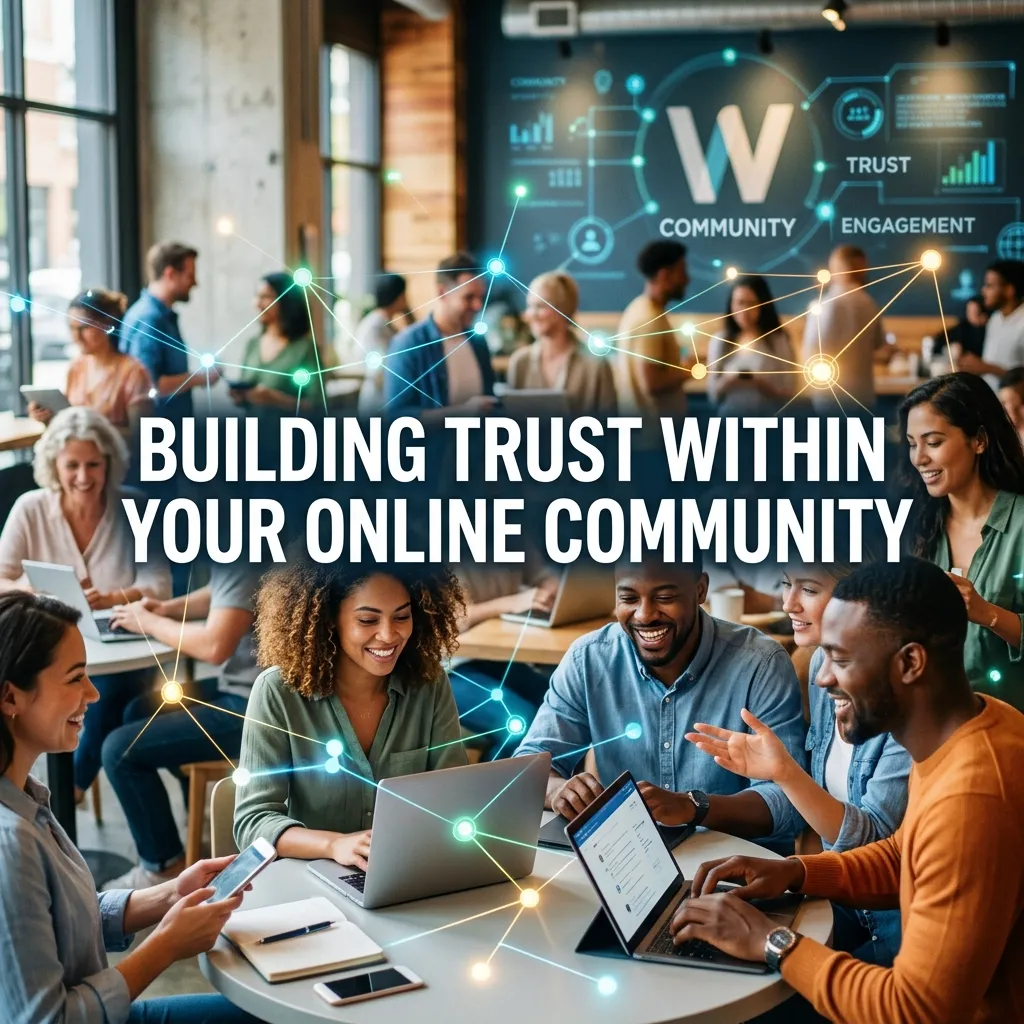 Trust is the foundation of any successful online community. Without trust, members will not feel safe to engage or share ideas. Building trust requires honesty, transparency, and consistency. Community leaders should communicate clearly and respond to member concerns quickly. It is also important to maintain respectful interactions and moderate harmful behavior. When members feel respected and valued, they are more likely to stay active in the online community. Sharing real experiences, providing accurate information, and being consistent in communication help strengthen trust. Over time, this trust creates a loyal and supportive community that grows naturally and remains strong.
Benefits of an Online Community
An online community provides many long-term benefits for individuals, creators, and businesses. It creates a space where people can connect, share ideas, and support each other regardless of location. This type of community helps build stronger relationships and improves engagement over time. Members feel a sense of belonging, which encourages them to stay active and participate more. For businesses, it becomes a powerful tool to understand customers better and build loyalty. Overall, it strengthens communication, trust, and collaboration in a digital environment.
Key Benefits:
- Builds strong trust and relationships
- Increases engagement and interaction
- Helps in knowledge sharing and learning
- Improves brand awareness and loyalty
- Creates long-term active engagement
| Benefit Area |
Impact on Members/Business |
| Trust Building |
Strengthens relationships and credibility |
| Engagement |
Encourages active participation |
| Knowledge Sharing |
Improves learning and information exchange |
| Brand Growth |
Increases visibility and audience loyalty |
| Communication |
Enhances direct and meaningful interaction |
Role of Moderation in an Online Community
Moderation plays an important role in maintaining a healthy online community. It ensures that conversations remain respectful, relevant, and safe for all members. Without proper moderation, communities can become chaotic or unproductive. Moderators help enforce rules, remove harmful content, and guide discussions in the right direction. They also support members by answering questions and resolving conflicts. A well-moderated online community encourages positive interaction and reduces negativity. This creates a safe environment where people feel comfortable sharing their thoughts. Good moderation does not restrict freedom but helps maintain balance and structure within the community.
Growing Your Online Community Organically
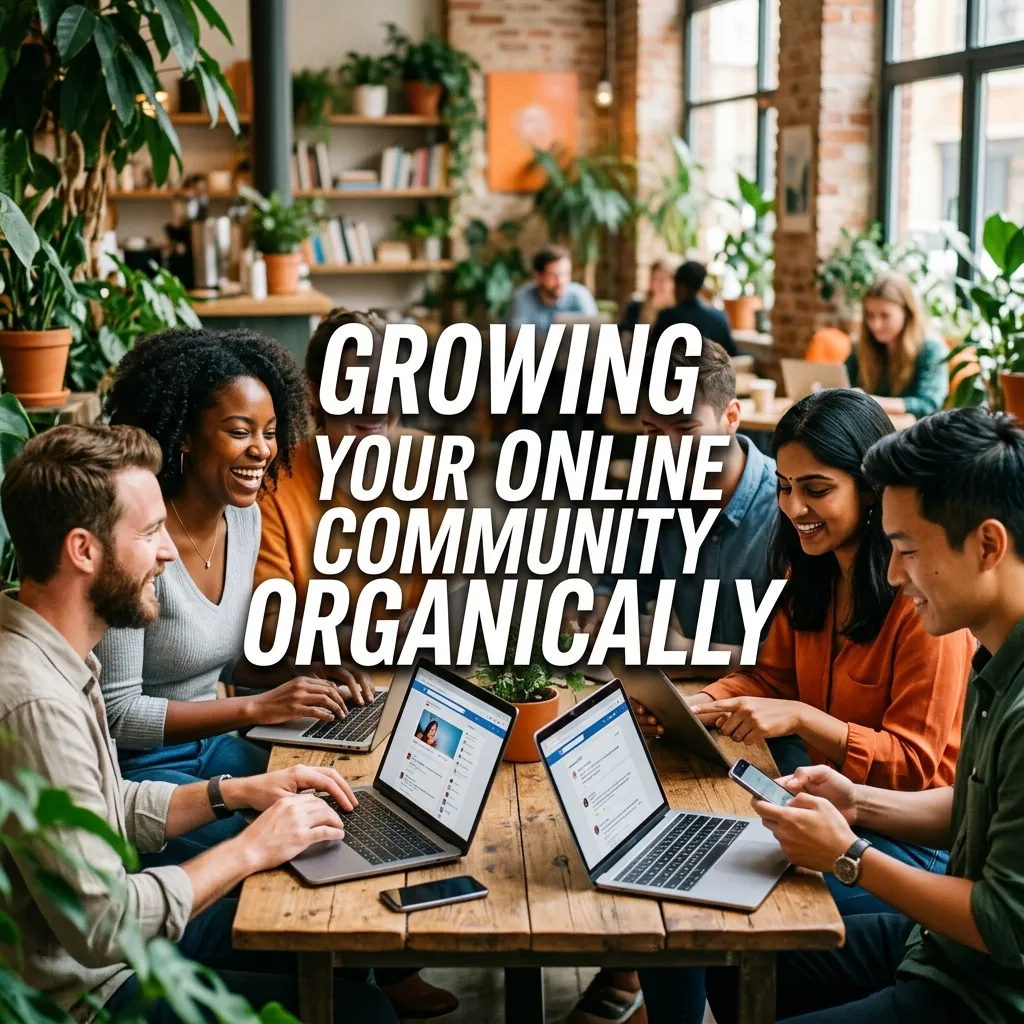 Growing an online community requires patience and consistent effort. Organic growth focuses on attracting genuine members who are truly interested in your content or purpose. This can be achieved through social media sharing, SEO content, collaborations, and referrals. Engaging content and active discussions naturally attract new members over time. It is important to avoid fake or inactive members, as they reduce engagement quality. A strong online community grows when existing members invite others and share positive experiences. Providing value and maintaining consistency are key factors in long-term growth. Organic strategies ensure a loyal and active community base.
Strategies to Maintain a Healthy Online Community
Maintaining a successful online community requires consistent effort and the right strategies. It is not only about growing members but also keeping them engaged and satisfied. Regular interaction, clear rules, and valuable content help maintain a positive environment. Community managers should focus on feedback, moderation, and continuous improvement. When members feel heard and respected, they are more likely to stay active and contribute positively. A well-managed community grows naturally and stays strong over time.
Key Strategies:
- Post consistent and valuable content
- Encourage open discussions and feedback
- Set clear rules and guidelines
- Use active moderation to maintain quality
- Recognize and reward active members
| Strategy |
Purpose |
Result Achieved |
| Consistent Content |
Keep members engaged |
Higher activity levels |
| Active Moderation |
Maintain quality discussions |
Safe and respectful environment |
| Member Recognition |
Motivate participation |
Increased engagement |
| Clear Guidelines |
Avoid confusion and conflicts |
Better community structure |
| Feedback System |
Improve experience continuously |
Stronger member satisfaction |
Common Challenges in Managing an Online Community
Managing an online community comes with several challenges, such as low engagement, spam content, and conflict between members. Keeping members active requires continuous effort and fresh content. Another challenge is maintaining a balance between freedom of expression and community rules. Sometimes, members may lose interest if the content becomes repetitive or uninteresting. Technical issues or platform limitations can also affect engagement. To overcome these challenges, community managers must stay active, listen to feedback, and adapt strategies regularly. A successful online community requires patience, flexibility, and strong leadership to maintain long-term success and growth.
Future of Online Communities
The future of online communities is expected to become more interactive, personalized, and technology-driven. With the growth of AI, virtual reality, and advanced social platforms, people will be able to connect in more immersive and meaningful ways. These communities will focus more on real-time engagement, personalized content, and stronger user experiences. Businesses and creators will rely heavily on communities to build trust and long-term relationships with their audiences. As digital communication continues to evolve, online communities will play an even bigger role in education, marketing, and social interaction, making global connections easier and more impactful than ever before.
Conclusion
Building a strong digital space for connection is essential for creating meaningful relationships and long-term engagement. A successful community brings people together, encourages interaction, and builds trust among members. By focusing on valuable content, active participation, and proper moderation, you can grow a loyal and engaged audience. Although challenges may arise, consistent effort and the right strategies can overcome them. Ultimately, it becomes a powerful tool for growth, communication, and relationship building that benefits both individuals and businesses in the digital world.
Frequently Asked Questions
1: What is an online community?
An online community is a digital space where people with similar interests connect, share ideas, and communicate. It helps members interact, learn, and support each other through discussions, content sharing, and engagement across various online platforms and social networks effectively.
2: Why is an online community important?
An online community is important because it builds trust, engagement, and long-term relationships. It allows people to connect globally, share knowledge, and support each other. Businesses and creators also use it to improve communication, loyalty, and audience understanding effectively.
3: How do you create an online community?
To create an online community, choose the right platform, define your purpose, and attract members with valuable content. Encourage discussions, maintain consistency, and engage regularly. Building trust and providing value are key steps for long-term success and active participation.
4: What platforms are best for online communities?
Popular platforms for an online community include Facebook Groups, Discord, Reddit, and dedicated websites. The best platform depends on your audience, goals, and content style. Each platform offers different features for engagement, communication, and community growth effectively.
5: How can you grow an online community?
Growing an online community requires consistent content, active engagement, and value-driven interactions. Use social media promotion, SEO, and referrals. Encourage members to invite others. Focus on organic growth to build a loyal, active, and long-lasting community successfully.
6: What makes an online community successful?
A successful online community depends on engagement, trust, valuable content, and active participation. Strong leadership and moderation also play key roles. When members feel valued and connected, the community grows naturally and maintains long-term activity and meaningful interactions effectively.
7: How do you keep members active?
To keep an online community active, post regular content, ask questions, and encourage discussions. Use polls, events, and rewards. Recognize active members and respond quickly. Consistent engagement helps maintain interest and ensures members stay involved and connected.
8: What are the challenges of an online community?
Managing an online community can be challenging due to low engagement, spam, conflicts, and content management issues. Maintaining consistency and interest requires effort. Proper moderation, planning, and active communication help overcome these challenges and keep the community healthy.
9: How does trust affect an online community?
Trust is essential because it encourages participation and openness. When members trust the platform and leaders, they engage more freely. Transparency, respect, and consistent communication help build strong relationships and long-term loyalty effectively.
10: Can an online community help businesses?
Yes, it helps businesses by improving customer engagement, feedback, and brand loyalty. It builds strong relationships with audiences and increases trust. Businesses can better understand customer needs and create more effective marketing strategies through active communities.