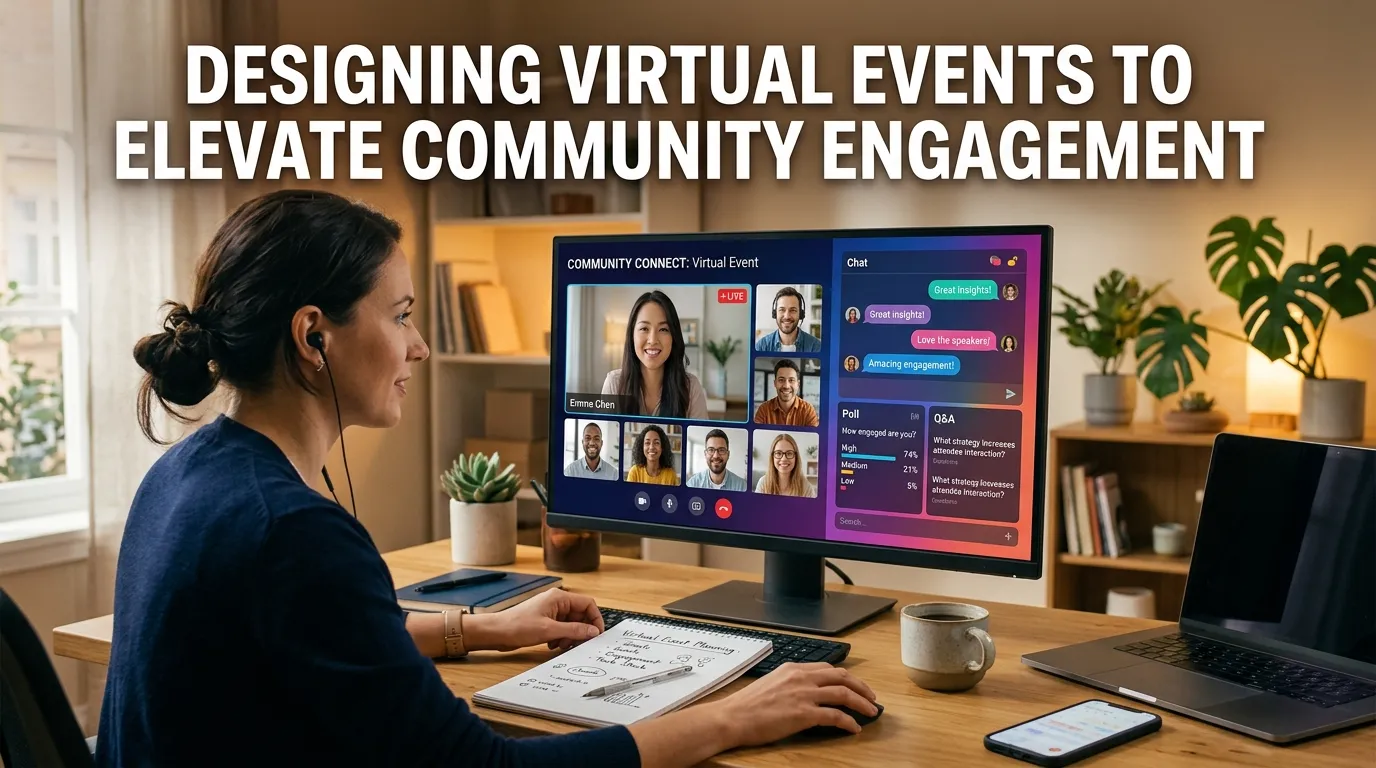
Welcome to the ultimate guide where we explore how smart design transforms digital gatherings, making online community building highly effective and genuinely rewarding for everyone involved.
Successful virtual gatherings require more than just a video link and a speaker. This comprehensive guide covers pre-event planning, interactive tools, and post-event follow-ups. You will discover actionable strategies, expert insights, and common pitfalls to ensure your digital gatherings drive real connection and long-term loyalty.
The Evolution of Digital Gatherings
The landscape of digital interaction has shifted dramatically over the past few years. What used to be simple video calls have evolved into immersive digital experiences. The secret to this transformation lies in thoughtful design. Effective event architecture directly influences how audiences interact, learn, and connect. For successful online community building, you must prioritize the user experience at every single touchpoint.
When you design with intent, you create spaces where participants feel valued. This approach encourages active participation rather than passive consumption. By integrating interactive elements seamlessly, you empower attendees to share their voices. As we look at industry leaders, we see that prioritizing connection is the foundation of modern online community building.
Analyzing Industry Leaders in Event Design
 To truly understand what makes a digital gathering successful, we must look at the data and insights from industry leaders. Platforms like Cadmium, beehiiv, and ON24 have pioneered new ways to keep audiences captivated.
Cadmium and the Power of Interaction
Cadmium emphasizes that audience engagement makes all the difference. When attendees feel they are just going through the motions, retention drops. Cadmium suggests integrating breakout rooms, live polling, and gamification to keep energy levels high. These features are essential for effective online community building, as they turn passive listeners into active contributors.
Beehiiv and the Importance of Connection
Beehiiv focuses on turning passive members into active participants by creating rituals and low-stakes spaces. They highlight that online community building requires consistent effort and clear onboarding. By treating onboarding as an activation phase, you help new members understand the group’s purpose immediately. Hosting regular Ask Me Anything (AMA) sessions and creating collaborative projects are fantastic ways to strengthen these digital ties.
ON24 and Innovative Event Architecture
ON24 stresses that virtual event design is not just about aesthetics; it is about keeping attendees engaged to achieve marketing objectives. They advocate for dynamic presentation formats, immersive experiences, and personalized follow-ups. Integrating strong calls-to-action seamlessly into your event design is a cornerstone of modern online community building.
Pre-Event Strategies to Drive Anticipation
The success of your digital gathering starts long before the actual start time. You need to build excitement and set clear expectations.
Personalized Communication
Send personalized emails to your registrants. Segment your audience based on their interests and tailor the content accordingly. When people receive relevant information, they are more likely to show up eager to participate. This level of care is a fundamental aspect of online community building.
Speaker Spotlights and Surveys
Highlight your speakers and their expertise. Share short videos or interviews to introduce them to your audience. Additionally, send pre-event surveys to gather input on what attendees want to learn. This not only provides you with valuable data but also makes participants feel heard, reinforcing your online community building efforts.
Interactive Elements During the Gathering
Once your event goes live, your primary goal is to maintain high energy and facilitate connections.
Breakout Rooms and Networking Lounges
Large crowds can be intimidating. Breakout rooms allow for intimate, focused discussions where participants can share ideas comfortably. Virtual networking lounges pair like-minded individuals, fostering professional relationships. These smaller interactions are vital for sustainable online community building.
Live Polling and Gamification
Break up long presentations with live polls. It gives the audience a voice and provides real-time feedback to the speaker. Gamification, such as scavenger hunts or points systems, adds an element of fun and friendly competition. Engaging your audience through play is a highly effective strategy for online community building.
Post-Event Tactics to Sustain Momentum
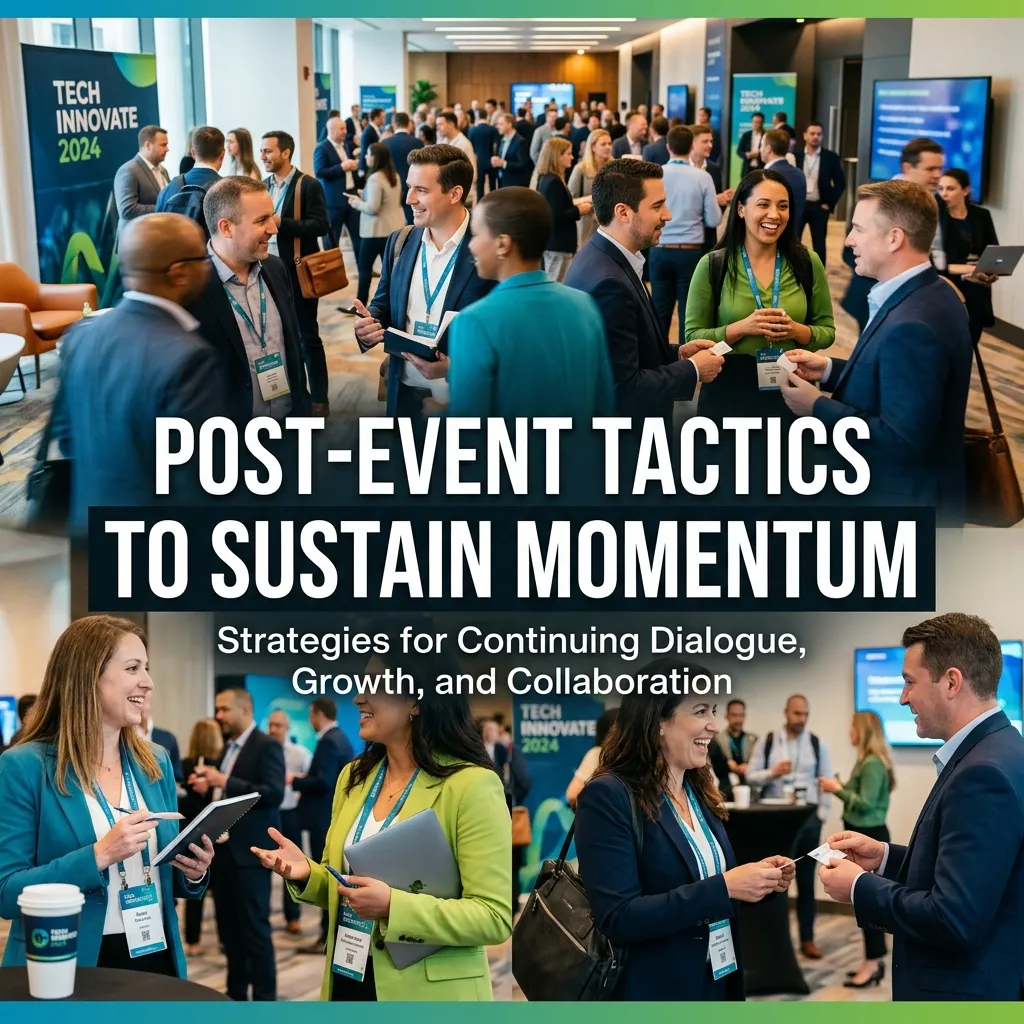 The end of the live broadcast is not the end of the experience. How you follow up determines the long-term impact of your gathering.
Exclusive On-Demand Content
Send attendees exclusive content based on the sessions they attended. This could be summary guides, presentation slides, or additional reading materials. Providing ongoing value is crucial for continuous online community building.
Feedback and Analytics
Send out post-event surveys to understand what worked and what needs improvement. Review the analytics provided by your platform to track engagement metrics. Use these insights to refine your future strategies, ensuring your approach to online community building constantly evolves and improves.
Comparing Interactive Event Tools
Choosing the right platform is critical. Here is a breakdown of popular tools and how they support engagement.
|
Feature |
Breakout Rooms |
Live Polling |
Gamification |
Analytics Dashboard |
|---|---|---|---|---|
|
Basic Platforms |
Yes |
Limited |
No |
Basic |
|
Advanced Platforms |
Yes |
Yes |
Yes |
Comprehensive |
|
Premium Suites |
Advanced |
Real-time |
Custom |
Predictive |
Using an advanced or premium suite provides the necessary infrastructure for robust online community building.
Common Mistakes to Avoid
Even the best-planned gatherings can fall flat if you are not careful. Avoid these frequent pitfalls to ensure a smooth experience.
Ignoring the Onboarding Process
If attendees do not know how to navigate your platform, they will leave. Provide clear instructions and perhaps a quick tutorial video before the event starts. Proper onboarding is the first step in successful online community building.
Overloading with Content
Do not cram too much information into a short period. Allow time for reflection, Q&A, and breaks. Content overload leads to fatigue, which directly harms your online community-building initiatives.
Forgetting to Follow Up
Failing to engage with your audience after the event is a massive missed opportunity. Always have a follow-up sequence ready to deploy the moment your broadcast ends. Consistent communication is the lifeblood of online community building.
Pro Tips and Expert Insights
To elevate your digital gatherings, incorporate these advanced strategies into your planning.
Turn Active Members into Hosts
Empower your most engaged participants by giving them hosting or moderation roles. This gives them a sense of ownership and reduces the burden on your core team. Empowering users is a hallmark of elite online community building.
Design Member-to-Member Connections
Create intentional spaces for attendees to connect without your direct involvement. Facilitate introductions based on shared interests or career goals. Peer-to-peer connection accelerates online community building significantly.
Create Low-Stakes Engagement Spaces
Not every interaction needs to be deeply professional. Create casual channels or host quick, fun activities where members can bond over shared hobbies. These low-stakes environments are incredibly powerful for online community building.
Expanding Your Reach with SEO and Marketing
Growing a thriving audience requires more than hosting great events; people also need to discover them easily. Search engine optimization helps your event pages rank higher in search results, making it easier for potential participants to find your content. Use relevant keywords naturally in headlines, descriptions, and promotional materials to improve visibility. In addition, promote your events across multiple channels such as social media, email campaigns, blogs, and online communities. This multi-channel approach expands your reach and attracts highly targeted audiences. By consistently sharing valuable and searchable content, you create a reliable inbound marketing system that continuously supports online community building and strengthens long-term audience engagement.
The Role of Consistency in Engagement
Consistency is one of the most important factors in maintaining an active and loyal online community. Hosting a single successful event may create temporary excitement, but regular engagement builds trust and long-term relationships. Establishing a predictable schedule for webinars, workshops, live chats, or networking sessions helps members know when to participate and what to expect. Over time, this routine encourages stronger attendance and deeper involvement from your audience. Consistent interaction also reinforces your brand identity and positions your community as a dependable source of value. By maintaining a steady rhythm of meaningful events, you create stronger connections that support sustainable online community building and long-term member loyalty.
Leveraging Data to Refine Your Strategy
 Data analysis plays a critical role in improving community engagement and event performance. Instead of relying on assumptions, use measurable insights to understand what your audience truly values. Monitor attendance rates, session retention, audience participation, and feedback to identify successful content and engagement patterns. Analyzing these metrics helps you determine which topics generate the most interest and which formats encourage stronger interaction. You can then use these insights to optimize future events and create experiences tailored to your audience’s preferences. Data-driven decision-making removes uncertainty and allows continuous improvement. This strategic approach enhances user satisfaction, strengthens relationships, and makes online community building more effective and sustainable over time.
The Future of Digital Experiences
As technology continues to advance, the possibilities for digital gatherings will only expand. We can expect more immersive environments, perhaps integrating augmented or virtual reality. However, the core principles will remain the same.
Regardless of the technology used, the focus must always be on human connection. The platforms that facilitate genuine interaction will always win. Staying ahead of these trends ensures your online community building remains relevant and impactful.
To wrap up, designing digital events that truly engage audiences requires a strategic blend of technology, empathy, and continuous improvement. By focusing on interactive elements, personalized communication, and consistent follow-up, you can create experiences that resonate deeply. Start implementing these strategies today, and watch your online community-building efforts thrive, turning passive viewers into passionate advocates. Check out our related guides to further refine your digital strategy and maximize your audience impact.
Frequently Asked Questions
1: How do you ensure high attendance rates for digital gatherings?
To ensure high attendance, start promoting your event early using personalized email campaigns and social media teasers. Highlight the specific value attendees will gain and send timely reminders as the date approaches.
2: What is the best way to keep an audience engaged during a long presentation?
Break up the presentation with interactive elements every ten to fifteen minutes. Use live polls, quick Q&A sessions, or short breakout discussions to keep the energy up and maintain focus.
3: How can I measure the success of my digital event?
Look beyond just the number of registrants. Track metrics like average watch time, the number of questions asked, poll participation rates, and the feedback provided in post-event surveys.
4: Why is post-event follow-up so important?
Post-event follow-up sustains the momentum generated during the broadcast. It provides an opportunity to share resources, gather feedback, and keep your brand top-of-mind for future initiatives.
5: Can gamification really improve professional events?
Absolutely. Gamification introduces a fun, competitive element that encourages participation. It can be as simple as a leaderboard for those who ask the most questions or a digital scavenger hunt.
6: How do I facilitate networking in a virtual environment?
Use virtual networking lounges or breakout rooms with specific discussion prompts. You can also manually pair attendees for short, one-on-one virtual coffee chats based on their shared interests.
7: What are the most common technical issues during digital broadcasts?
Common issues include poor audio quality, internet connectivity drops, and difficulties accessing the platform. Always perform a technical dry run and have a dedicated support contact available for attendees.
8: How important is platform design for user experience?
Platform design is critical. A cluttered or confusing interface will frustrate users and cause them to leave. Choose platforms that offer clean, intuitive navigation and seamless integration of interactive tools.
9: How do you handle passive audiences?
Call on participants directly if appropriate, or use anonymous polling to lower the barrier to entry for participation. Creating a safe, welcoming environment encourages even shy attendees to share their thoughts.
10: What is the biggest trend in digital event design right now?
The biggest trend is hyper-personalization. This involves tailoring content tracks, networking recommendations, and follow-up communications to the specific preferences and behaviors of individual attendees.